Cancer Detection and the 7 Risk of Trusting “I Feel Fine”
Why Feeling Fine Often Feels Reassuring
The Psychological Comfort of “Nothing Feels Wrong”

Cancer Detection often fails not because medicine lacks tools, but because people feel well. For many, the absence of pain, fatigue, or visible symptoms becomes a powerful reassurance that nothing serious could be happening inside the body. “I feel fine” turns into a quiet promise of safety. Unfortunately, cancer does not require discomfort to grow. Some of the most dangerous forms develop slowly, silently, and without warning until they reach advanced stages.
This dangerous comfort delays testing, postpones screening, and creates a false sense of control. Understanding why feeling fine can be misleading is essential to recognizing how early cancer truly behaves and why early awareness saves lives.

Why Feeling Fine Often Feels Reassuring
The Psychological Comfort of “Nothing Feels Wrong”
Humans are wired to associate illness with discomfort. Pain, fever, weakness, and visible symptoms signal danger in everyday life. When none of these are present, the brain interprets normal functioning as proof of health. This instinct evolved to help us survive immediate threats, but it does not serve us well when dealing with slow, internal diseases.
Cancer Detection at a cellular level. In its earliest stages, it rarely disrupts daily functioning. The body continues to work, energy levels stay stable, and routines remain unchanged. The mind responds by reinforcing the belief that medical attention is unnecessary.
How the Brain Equates No Pain With Safety
Pain is a late-stage alarm. Many cancers grow without irritating nerves or interfering with organ function for years. Because the brain relies heavily on pain as a warning system, its absence convinces people that nothing serious could be present. This mental shortcut makes early medical testing feel excessive or unnecessary, even when risk factors exist.
How Early Cancer Develops Without Obvious Symptoms
Why Early Cancer Rarely Causes Pain
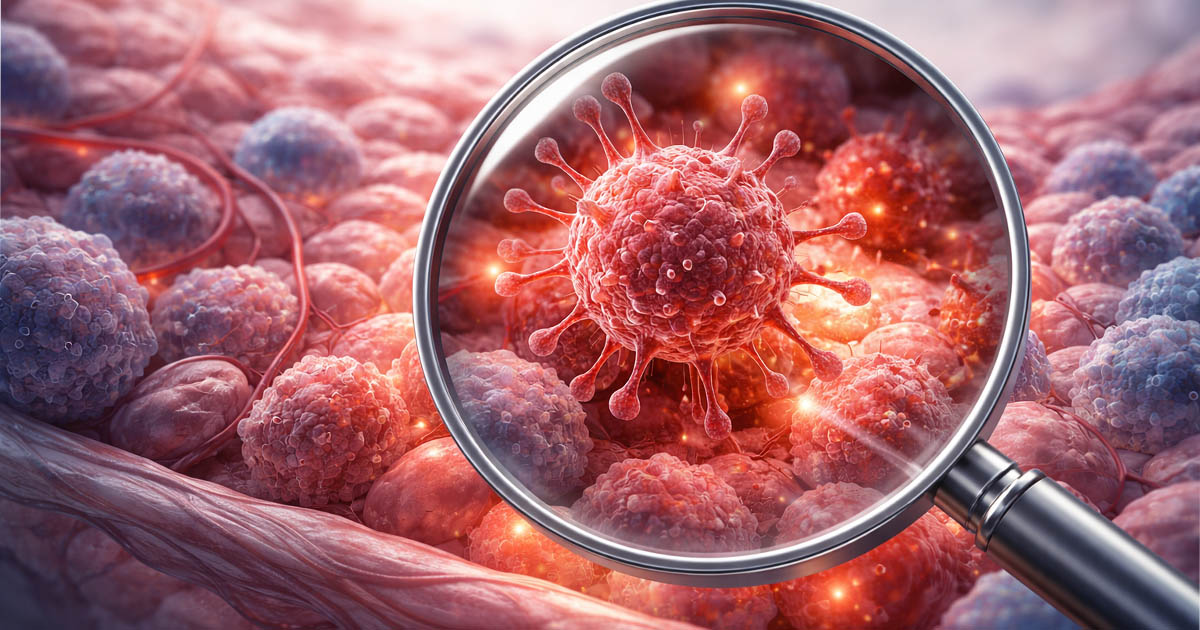
Cancer begins with abnormal cell growth. These cells divide quietly, often blending into surrounding tissue. They do not announce themselves with sharp pain or sudden illness. By the time pain appears, the disease has usually progressed to a point where treatment becomes more complex.
This silent development is one of the biggest challenges in Cancer Detection, especially for individuals who rely solely on how they feel to judge their health.
Silent Cellular Changes the Body Doesn’t Signal
The body does not have a built-in sensor to detect early cancerous changes. Unlike infections or injuries, early tumors do not trigger immune alarms strong enough to cause noticeable symptoms. As a result, the disease advances unnoticed while daily life continues uninterrupted.
Cancer Detection and the Problem With Symptom-Based Awareness
Why Waiting for Symptoms Delays Diagnosis
Many people believe cancer announces itself clearly. They expect weight loss, severe pain, or visible changes. This expectation is dangerous. When symptoms finally appear, cancer may already be advanced.
Cancer Detection works best when it does not rely on symptoms. Screening exists precisely because waiting for warning signs often means missing the most treatable window.
The Limits of Self-Assessment in Cancer Risk
Feeling healthy does not equal being disease-free. Risk depends on age, genetics, environment, past exposures, and random cellular errors. None of these factors announce themselves through sensation alone. Self-assessment based on comfort is unreliable, no matter how healthy someone feels.
Cancers That Often Remain Silent in Early Stages
Breast and Colon Cancer Before Symptoms Appear
Breast and colon cancers frequently develop without noticeable discomfort. Early breast cancer may not cause pain or visible lumps. Colon cancer can grow for years before affecting digestion or causing bleeding.
Routine screening is often the only way these cancers are discovered early, long before symptoms interfere with daily life.
Lung and Pancreatic Cancer’s Hidden Progression
Lung cancer can advance without coughing or breathing problems, especially in early stages. Pancreatic cancer is infamous for remaining silent until it reaches advanced stages. In both cases, feeling fine offers no protection.
These cancers highlight why Cancer Detection must be proactive rather than reactive.
The Role of Routine Screening in Cancer Detection
Why Screening Works Before Symptoms Exist
Screening tools are designed to detect changes that the body cannot feel. Mammograms, colonoscopies, blood tests, and imaging studies identify abnormalities long before symptoms develop. They do not rely on discomfort to justify action.
Cancer Detection through screening consistently improves survival rates because treatment is more effective when disease is caught early.
How Preventive Testing Saves Lives
Preventive testing shifts healthcare from crisis response to risk management. It allows doctors to intervene before cancer disrupts organs, spreads, or weakens the body. Many lives are saved simply because testing happened before symptoms appeared.
Lifestyle Health vs Medical Reality
Why Healthy Habits Don’t Eliminate Cancer Risk
Exercise, balanced nutrition, and stress management improve overall health, but they do not guarantee immunity. Cancer can occur in people who live exceptionally healthy lives. Random mutations, inherited risks, and environmental exposures all play roles beyond personal control.
Believing that a healthy lifestyle alone prevents cancer can create false confidence and delay screening.
Genetics, Environment, and Random Cellular Errors
Some cancers are driven by inherited genes, others by long-term environmental exposure, and some by unpredictable cellular changes. None of these causes announce themselves through sensation. Feeling fine does not cancel risk.
Missed Early Warning Opportunities
Subtle Signs People Commonly Ignore
Early warning signs, when they appear, are often subtle: mild fatigue, slight changes in appetite, minor digestive issues, or vague discomfort. These symptoms are easily dismissed as stress, aging, or lifestyle-related issues.
Because they do not feel urgent, they are often ignored until more severe symptoms develop.
Why Fatigue and Minor Changes Are Dismissed
Modern life normalizes exhaustion and discomfort. When people feel tired or unwell, they often attribute it to work, poor sleep, or stress. This normalization further delays medical evaluation and weakens early Cancer Detection efforts.
The Emotional Barrier to Early Cancer Detection
Fear, Avoidance, and Delayed Testing
Fear plays a powerful role. Many people avoid screening because they fear bad news. Feeling fine becomes an emotional shield, allowing them to postpone confronting uncertainty. Unfortunately, avoidance does not prevent disease; it only delays awareness.
Why Comfort Can Be More Dangerous Than Fear
Temporary peace of mind can come at a high cost. Choosing comfort over knowledge allows disease to progress unchecked. Facing uncertainty early often leads to better outcomes than confronting certainty too late.
How Doctors Approach Cancer Detection
Why Symptoms Are Not the Primary Signal
Doctors do not rely solely on symptoms to assess cancer risk. They consider age, family history, lifestyle, exposure history, and screening guidelines. This broader approach exists because symptoms are unreliable indicators of early disease.
Cancer Detection in clinical settings is built around probability and prevention, not discomfort.
Tests That Reveal What the Body Conceals
Imaging, biopsies, blood markers, and screening exams reveal changes invisible to sensation. These tools allow doctors to act before cancer disrupts normal bodily function.
Reframing “I Feel Fine”
Feeling Fine Is Not a Diagnosis
Feeling normal is not proof of absence. It simply means the body has not yet been disrupted enough to signal distress. Health decisions should be based on evidence, not comfort.
When Normal Still Requires Screening
Screening guidelines exist for a reason. They are designed around population risk, not individual sensation. Following them consistently supports long-term health, even during periods of feeling perfectly fine.
When to Take Action Without Symptoms
Age, Family History, and Risk Triggers
Age alone increases cancer risk, even without symptoms. Family history further elevates risk. Environmental exposures and past medical conditions also matter. These factors justify screening regardless of how someone feels.
Recommended Screening Timelines
Following recommended timelines ensures that Cancer Detection occurs when treatment options are most effective. Delaying tests because of comfort undermines their purpose.
Cancer Detection as a Long-Term Health Strategy
From Reactive Care to Preventive Awareness
Healthcare works best when it prevents crises rather than reacts to them. Viewing screening as routine maintenance rather than a response to illness shifts the entire approach to health.
Building Consistent Screening Habits
Consistency matters. One screening is not enough. Regular testing over time creates a safety net that catches disease early and reduces uncertainty.
Final Thoughts
Why Trusting “I Feel Fine” Can Be Risky
Comfort is reassuring, but it is not protective. Cancer does not require permission to grow, nor does it wait for discomfort to appear. Trusting sensation alone places health at risk.
Choosing Awareness Over Comfort
Cancer Detection works best when awareness replaces assumption. Choosing screening over reassurance, and evidence over comfort, creates the strongest defense against silent disease.
Also read for more information : Exploring patients’ experience and perception of being diagnosed with bladder cancer: a mixed‐methods approach
Read next on Lifenurt : Pancreatic Cancer Survival: 5 New Treatment Paths Offering Real Hope
Why Aggressive Cancers Spread Fast — And How to Identify the Threat Early













Post Comment