Health Tips
AI in cancer care, alternatives to chemotherapy, beyond chemo, cancer care at home, future of cancer treatment, holistic cancer care, immunotherapy, liquid biopsy, modern cancer care, personalized cancer care, proton therapy, targeted cancer therapy, virtual cancer treatment
JyotiSE
0 Comments
Beyond Chemo: What Cancer Care Looks Like Now
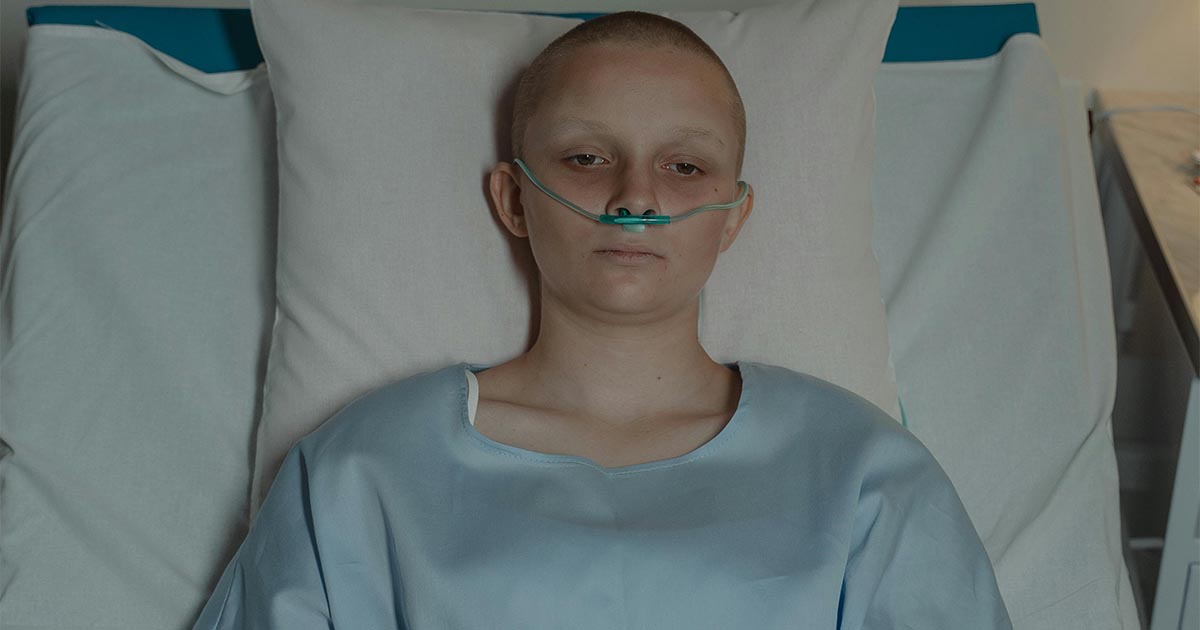
Healing with Heart: The Future of Compassionate Cancer Care
Introduction: A New Era in Cancer Care
For decades, the word cancer was almost always followed by one familiar response: chemotherapy. Chemo became the default weapon, a treatment designed to stop cancer cells from growing and spreading. And while it has saved countless lives, chemotherapy has also carried a heavy burden — harsh side effects, long recovery times, and a reduced quality of life for people already fighting one of the most brutal battles imaginable.
But the story of cancer treatment is changing. Thanks to groundbreaking scientific advances and a deeper understanding of how cancer behaves, we are now entering an era that no longer relies solely on chemotherapy. From precision medicine and immunotherapy to holistic care and virtual health services, the future of cancer care appears more hopeful, humane, and effective than ever before.
So, what does cancer care look like beyond chemo? Let’s explore.
1. The Shift from One-Size-Fits-All to Personalized Care
For many years, cancer treatment followed a rigid “one-size-fits-all” model. Two patients with the same type of cancer were often given identical treatment plans, regardless of their individual differences. For some, it worked. For others, it left much to chance.
Enter precision medicine — a true game-changer in oncology. This approach tailors treatment to each individual by studying their genetics, tumor biology, and even lifestyle. With the help of genomic testing, doctors can predict which therapies are most effective and which ones may cause unnecessary harm.
For instance, in breast cancer, genomic profiling can reveal whether chemotherapy is needed at all or if a patient might respond better to a targeted therapy. In lung and colon cancers, identifying gene mutations allows specialists to prescribe drugs that target those exact mutations, sparing healthy cells.
This personalized approach not only boosts survival rates but also transforms the patient experience. By minimizing unnecessary treatments and reducing side effects, precision medicine is leading us toward cancer care that is smarter, safer, and far more effective.
2. Immunotherapy: Teaching the Body to Fight Back
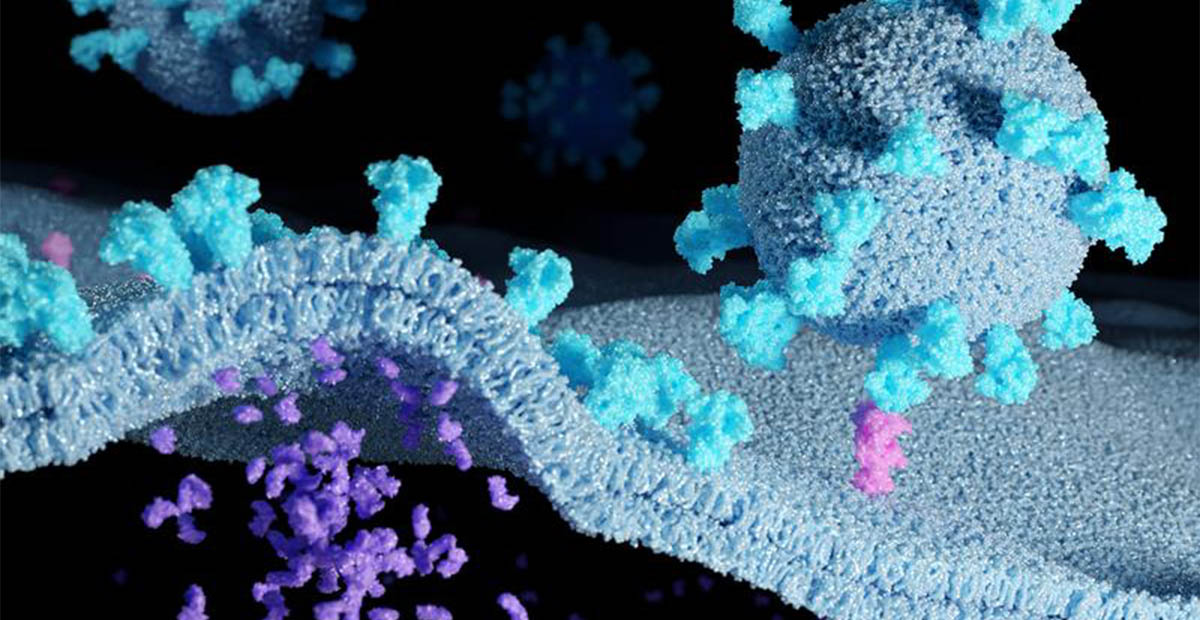
Imagine if your immune system could be trained to recognize cancer cells the way it fights off a virus. That’s precisely what immunotherapy does. Instead of overwhelming the body with chemicals, immunotherapy strengthens the body’s natural defenses to attack cancer directly.
One of the most remarkable breakthroughs has been the development of immune checkpoint inhibitors, which enable the body’s defense system to detect and destroy cancer cells that would typically evade it. Another innovation, CAR T-cell therapy, involves reprogramming a patient’s own white blood cells so that they can actively hunt down and kill cancer cells.
The results have been inspiring. Patients with advanced melanoma — once given only months to live — are now seeing years of remission. Patients with leukemia and lymphoma are also experiencing life-saving responses.
Best of all, immunotherapy is often easier to tolerate than chemotherapy. While side effects still exist, many patients find that they can continue daily routines without the debilitating exhaustion chemo usually brings. Immunotherapy doesn’t just extend life — it makes living with cancer more manageable.
3. Cutting-Edge Treatments and Technology
Beyond immunotherapy and precision medicine, technology is transforming cancer care itself.
Take proton therapy as an example. Unlike traditional radiation, which can harm surrounding healthy tissue, proton therapy delivers radiation directly to tumors with pinpoint accuracy. This means fewer side effects and better outcomes, especially for children and young adults.
Another revolutionary advance is the liquid biopsy — a simple blood test that detects fragments of cancer DNA in the bloodstream. These tests enable the early detection of cancer, tracking its progression, and assessing the effectiveness of treatments, all without the need for invasive surgery.
And then there’s artificial intelligence (AI). AI is already helping doctors read scans, analyze patient data, and even predict treatment outcomes. What used to take weeks of trial and error can now be narrowed down to hours, giving patients faster access to the right treatments.
Together, these innovations point toward a new standard of care — one that is precise, less invasive, and centered on the patient’s overall well-being.
4. Holistic & Supportive Cancer Care
Modern cancer care isn’t just about targeting tumors; it’s also about supporting patients’ overall well-being. It’s also about caring for the whole person. Cancer affects the body, but it also weighs heavily on the mind and spirit.
That’s why holistic and supportive approaches are becoming essential. Palliative care teams work closely with oncologists to manage pain, alleviate stress, and enhance quality of life. Nutritionists help patients design diets that strengthen immunity and energy. Mental health professionals guide patients and families through the emotional toll of treatment.
Complementary therapies, once dismissed as “alternative,” are now mainstream in many cancer centers. Practices like yoga, meditation, massage therapy, and acupuncture have been shown to reduce anxiety, improve sleep, and even help manage pain.
This broader approach recognizes a vital truth: fighting cancer isn’t just about surviving — it’s about living well, even during treatment.
5. Beyond Hospitals: The Rise of Home & Virtual Cancer Care
The COVID-19 pandemic accelerated a trend that was already gaining momentum: the adoption of virtual healthcare. For cancer patients, it has been life-changing.
With tele-oncology, patients can meet specialists from the comfort of their own homes, saving time, money, and energy. Remote monitoring devices now enable doctors to track vital signs, assess treatment side effects, and monitor progress without requiring frequent hospital visits. This has opened the door to advanced care for patients in rural or underserved communities.
Home-based cancer care is also on the rise. Some chemotherapy treatments can now be safely administered at home, eliminating the need for lengthy hospital stays. Additionally, mobile oncology clinics are traveling directly into neighborhoods to provide screenings and treatments for patients who might otherwise lack access to care.
Hospital walls don’t bind the future of cancer care. It’s flexible, accessible, and designed to meet patients wherever they are — physically and emotionally.
6. Real Stories of Transformation
Numbers and studies tell us a great deal, but stories bring change to life.
Take Sarah, a young mother diagnosed with advanced melanoma. A decade ago, her chances of survival would have been slim. Today, thanks to immunotherapy, she is in remission and watching her children grow up.
Or Michael, a retiree with lung cancer. Instead of enduring months of chemotherapy, genetic testing revealed a mutation that responded to a targeted drug. His cancer is now stable, and he enjoys daily walks with his grandchildren — something chemo would have made nearly impossible.
These stories highlight what modern cancer care is all about: moving beyond harsh, one-size-fits-all treatments and into a world of personalized, life-changing possibilities.
Refer: https://www.cancersupportcommunity.org/beyond-treatment
Conclusion: The Future of Cancer Care
Cancer has long been one of humanity’s most significant challenges, but today, the fight looks different. We’re moving away from a time when chemotherapy was the only option and into an era where treatment is personalized, precise, and compassionate.
The future of cancer care isn’t just about extending life — it’s about preserving dignity, improving quality of life, and giving patients the chance to thrive truly, even in the midst of their battle.
From precision medicine and immunotherapy to holistic care and home-based treatment, the path forward is filled with hope. Yes, chemotherapy still has a role, but it’s no longer the whole story. The next chapter in cancer care is about living better, fighting smarter, and believing that tomorrow really can be brighter.
https://lifenurt.com/wp-admin/post.php?post=3091&action=edit













Post Comment