7 Shocking Reasons You’re Aging Faster Than You Should

What Does “Aging Faster” Really Mean?
Chronological Age vs. Biological Age
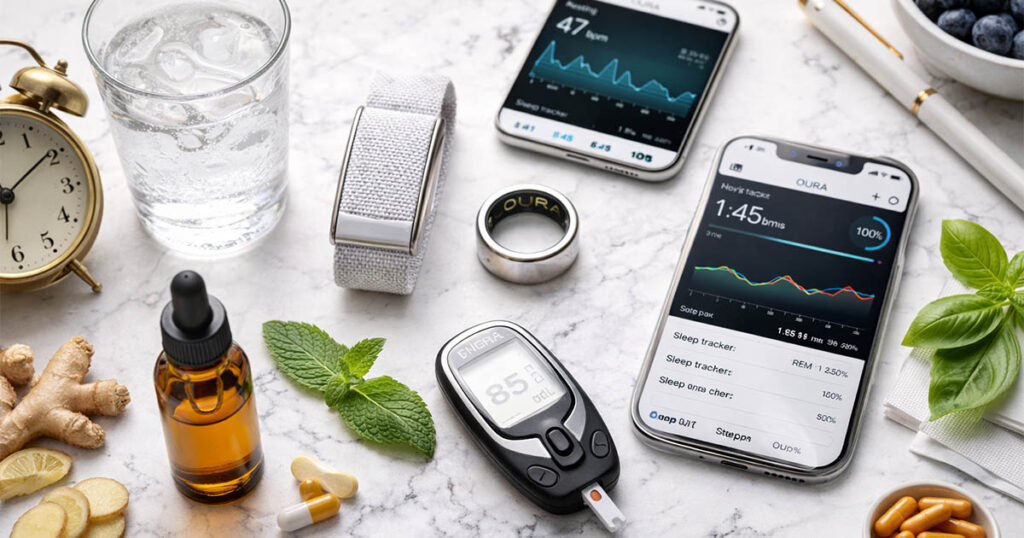
Have you ever looked in the mirror and felt like something shifted overnight?
Maybe your skin looks dull. Maybe your energy crashes earlier than it used to. Maybe you feel older than your actual age — mentally, physically, emotionally.
If you’ve been wondering whether you’re aging faster than you should, you’re not imagining things.
Modern life is quietly accelerating biological aging. And the truth is, most people don’t realize it’s happening until the signs become impossible to ignore.
This isn’t just about wrinkles.
It’s about inflammation. Hormones. Metabolism. Cellular health.
Let’s break down what might really be happening inside your body.
What Does “Aging Faster Than You Should” Actually Mean?
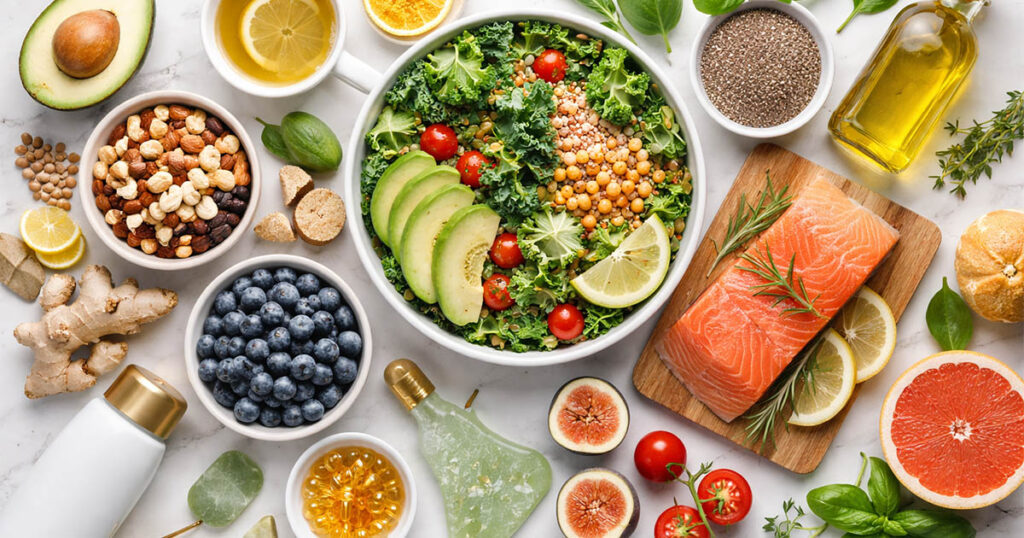
There’s a difference between chronological age and biological age.
Chronological age is the number of birthdays you’ve had.
Biological age is how old your cells behave.
You can be 35 chronologically and function like 45 biologically. That’s what people mean when they say they feel like they’re aging faster than you should.
Biological aging shows up in subtle ways:
- Slower recovery
- Brain fog
- Stubborn weight gain
- Loss of muscle tone
- Poor sleep quality
- Dry or thinning skin
- Decreased motivation
These are early indicators that your body may be aging beyond its calendar years.
And most of it is driven by lifestyle, not genetics.
The Hidden Drivers of Accelerated Aging
If you suspect you’re aging faster than you should, these underlying causes are often responsible.
1. Chronic Inflammation
Inflammation is the silent accelerator of aging.
Low-grade, chronic inflammation damages cells slowly over time. It disrupts hormones, weakens immunity, and increases oxidative stress.
Processed foods, lack of sleep, chronic stress, and sedentary lifestyles all fuel inflammatory pathways.
Inflammation doesn’t feel dramatic. It feels like subtle decline.
That slow decline is often mistaken for “just getting older.”
2. Blood Sugar Spikes
Frequent glucose spikes lead to glycation — a process that damages collagen and elastin in your skin.
That means:
- More wrinkles
- Less elasticity
- Faster visible aging
Internally, blood sugar instability contributes to insulin resistance, which accelerates metabolic aging.
Many people experiencing aging faster than you should are unknowingly dealing with blood sugar instability.
3. Sleep Deprivation
Deep sleep is when repair happens.
Growth hormone is released.
Cells regenerate.
Inflammation decreases.
Chronic sleep loss disrupts that cycle.
Even if you sleep 7 hours, poor sleep quality can speed up aging dramatically.
If you wake up tired daily, your body isn’t repairing efficiently.
4. Constant Stress & High Cortisol
Stress isn’t just mental.
Elevated cortisol breaks down muscle tissue, impairs skin repair, increases belly fat storage, and disrupts hormonal balance.
Chronic stress literally tells your body to prioritize survival over longevity.
This is one of the biggest contributors to aging faster than you should in today’s world.
Everyday Habits That Secretly Age You
You don’t need extreme habits to age prematurely.
Small, daily behaviors compound.
Ultra-Processed Foods
Highly processed foods increase oxidative stress and inflammation.
They lack the micronutrients needed for cellular repair.
Without antioxidants and minerals, your body struggles to defend against free radical damage.
Too Much Screen Time
Blue light exposure late at night suppresses melatonin.
That affects sleep quality, hormone balance, and cellular regeneration.
Digital overload also keeps your nervous system in a stressed state.
Avoiding Strength Training
After age 30, muscle mass naturally declines.
Muscle isn’t just aesthetic — it’s metabolic insurance.
Loss of muscle leads to slower metabolism and hormonal imbalance.
That decline can make you feel like you’re aging faster than you should, even if the scale hasn’t changed much.
Chronic Dehydration
Skin elasticity, joint lubrication, and cellular detox all depend on hydration.
Mild dehydration over time contributes to dull skin and fatigue.
It’s simple — but often overlooked.
The Hormones That Control How Fast You Age
Hormones are aging regulators.
When they’re balanced, you feel resilient.
When they’re not, aging accelerates.
Insulin
Insulin resistance promotes fat storage and inflammation.
Stable blood sugar = slower biological aging.
Growth Hormone
Growth hormone declines with age — but poor sleep and high stress accelerate that decline.
Lower growth hormone means reduced tissue repair.
Thyroid Hormones
Thyroid dysfunction slows metabolism and energy production.
If you constantly feel cold, tired, or mentally sluggish, it’s worth testing.
Estrogen & Testosterone
These hormones support collagen production, muscle mass, and cognitive sharpness.
Hormonal imbalance can make someone look and feel significantly older than their years.
This is often why people report aging faster than you should during periods of hormonal change.
The Science of Cellular Aging
Let’s zoom in deeper.
Telomeres
Telomeres are protective caps on the ends of chromosomes.
Every time cells divide, telomeres shorten.
Shorter telomeres = advanced biological age.
Chronic stress, inflammation, and poor lifestyle choices accelerate telomere shortening.
Mitochondria
Mitochondria produce energy.
Damaged mitochondria lead to fatigue and metabolic slowdown.
Supporting mitochondrial health is critical if you want to avoid aging faster than you should.
Oxidative Stress
Free radicals damage DNA.
Antioxidants neutralize them.
When oxidative stress outweighs antioxidant defenses, aging accelerates.
How to Slow Down Aging Naturally
The good news?
Biological age is flexible.
You can reverse many markers of aging with consistent changes.
Stabilize Blood Sugar
- Eat protein with every meal
- Avoid liquid sugars
- Walk after meals
Blood sugar stability protects collagen and metabolism.
Prioritize Deep Sleep
- Keep a consistent sleep schedule
- Avoid screens 60 minutes before bed
- Keep your room cool and dark
Deep sleep is non-negotiable for cellular repair.
Strength Train 2–4 Times Per Week
Muscle improves insulin sensitivity and hormone balance.
It is one of the strongest defenses against aging faster than you should.
Reduce Inflammation
Focus on:
- Leafy greens
- Berries
- Omega-3 rich foods
- Olive oil
- Turmeric
Remove processed seed oils and refined sugars.
Manage Stress Intentionally
Breathwork.
Sunlight exposure.
Walking outdoors.
Digital boundaries.
Chronic stress is optional — but managing it requires intention.
Longevity Habits of People Who Age Gracefully
Notice patterns among people who seem younger than their age:
- They move daily.
- They protect their sleep.
- They maintain strong social bonds.
- They eat real food.
- They avoid extreme dieting cycles.
- They prioritize recovery.
Consistency matters more than perfection.
When to See a Doctor
If signs of accelerated aging feel extreme, consider testing:
- Fasting insulin
- Thyroid panel
- Vitamin D
- CRP (inflammation marker)
- Hormone levels
Sometimes aging faster than you should is a signal of underlying imbalance that needs professional evaluation.
Final Thoughts
Feeling like you’re aging faster than you should isn’t about vanity.
It’s a biological message.
Your body adapts to how you live.
If you feed it stress, inflammation, instability, and poor recovery — it speeds up decline.
If you feed it stability, strength, rest, and nutrients — it slows aging.
The most empowering truth?
You’re not powerless.
Aging faster than you should is often reversible.
Small daily decisions compound — in both directions.
Start today.
Your future biological age depends on it.
Also read for more information : Stress is aging you faster than you think—here’s how to slow it down
Read next on Lifenurt : GLP-1 Drugs & Weight Loss: The Complete Guide to Benefits, Risks, and Myths













Post Comment