Aggressive Brain Tumors: 5 Powerful Findings from a Game-Changing Hypertension Drug Study
The Unexpected Discovery Behind the Hypertension Drug’s New Purpose

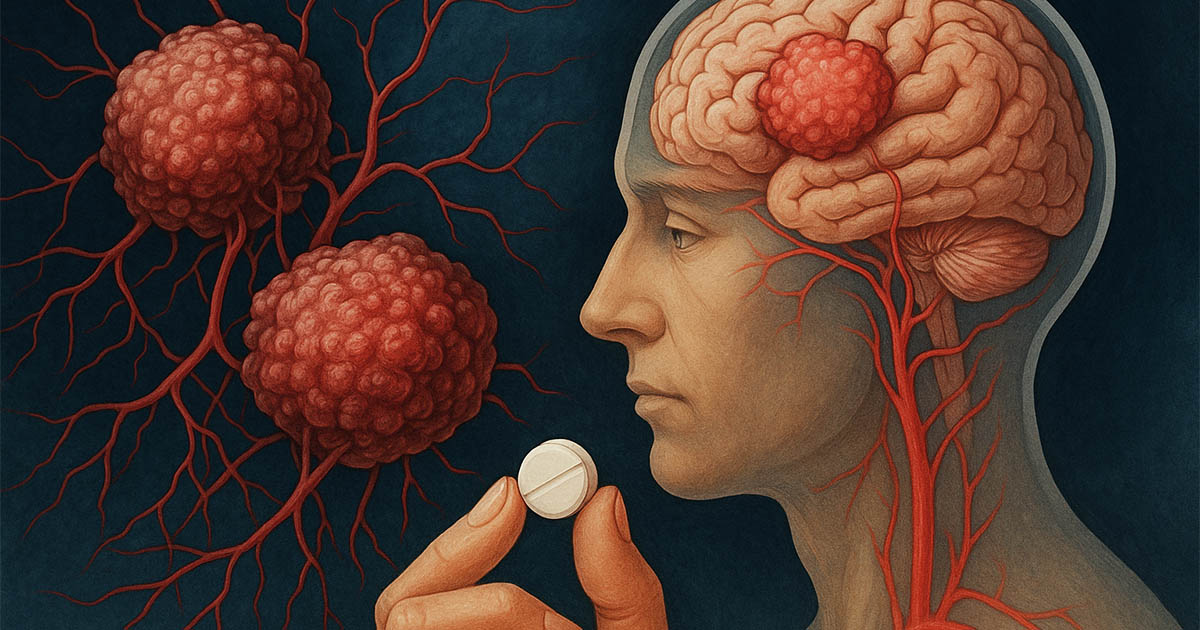
Aggressive brain tumors remain one of the most challenging medical conditions to treat, but new research suggests that an old hypertension drug may finally offer a promising breakthrough. For decades, scientists have sought safer, more effective ways to halt the rapid, destructive growth of these tumors. Now, a surprising discovery has opened an entirely new path—one that begins with a medication originally designed to treat high blood pressure.
This unexpected connection between a common hypertension drug and the fight against aggressive brain tumors has generated excitement across the scientific community. The findings not only reveal how existing medications can be repurposed but also highlight the urgent need for innovative solutions for patients facing life-altering diagnoses.
In this in-depth analysis, we explore how researchers uncovered this discovery, why the drug works, and what it could mean for the future of aggressive brain tumor treatment.
How an Old Hypertension Drug Became a Breakthrough in Brain Tumor Research

The story began when scientists conducted a massive screening of thousands of FDA-approved compounds. Their goal was to find any existing medications that might interrupt the unusual biological signaling that drives aggressive brain tumors. Instead of designing a new drug from scratch—a process that can take 10–20 years—researchers looked for hidden potential in medicines that had already proven safe in humans.
The results were not just positive, they were unexpected, adding a layer of intrigue to the story.
Among all the tested compounds, one particular hypertension drug consistently stood out. What surprised scientists wasn’t just that the drug worked but how it worked. This medication, initially intended for controlling blood pressure, demonstrated a remarkable ability to disrupt the internal communication signals that aggressive brain tumors rely on for survival and expansion.
This discovery was not accidental—it was the result of a bold scientific strategy: drug repurposing. By studying how older medications behave in biological systems, researchers can uncover new uses that were never imagined when the drugs were first created.
The implications are significant. If a commonly used hypertension drug can weaken or slow the progression of aggressive brain tumors, it could dramatically improve the outlook for patients, offering hope for a more manageable treatment timeline.
The Science Behind the Discovery: How the Drug Disrupts Tumor Cell Signals
To understand why this breakthrough matters, it’s essential to look at how aggressive brain tumors grow.
These tumors rely on rapid, uncontrolled cell signaling. Think of this signaling as an internal messaging system that tells tumor cells to multiply, invade nearby tissues, and resist treatment. When this messaging is disrupted, the tumor loses its ability to expand aggressively.
Researchers found that the hypertension drug interferes with a key calcium-based signaling pathway in tumor cells. Calcium signals play a critical role in regulating cell movement, cell division, and overall growth. In aggressive brain tumors, these signals operate at an unusually high rate, helping the cancer spread faster than the body can respond.
By blocking these signals, the drug essentially “confuses” the tumor cells. They stop communicating properly, slow down, and become less able to invade healthy brain tissue.
This mechanism is truly groundbreaking, as it attacks the tumor’s strategy at its core—not through traditional methods like radiation or chemotherapy, but by disrupting cellular communication itself. This novel approach is sure to inspire further research and innovation in the field.
Why Aggressive Brain Tumors Are So Difficult to Treat
Aggressive brain tumors are not only rare—they are notoriously stubborn. Several factors contribute to their devastating impact:
1. They grow rapidly and unpredictably
Aggressive brain tumors can double in size in weeks or even days. Their fast-moving nature makes early detection and treatment extremely difficult.
2. They invade vital brain regions
Unlike other cancers that may remain in one area, these tumors infiltrate surrounding tissue, making complete surgical removal impossible.
3. They resist traditional treatments
Radiation and chemotherapy often slow tumor growth temporarily but rarely eliminate the disease.
4. The blood-brain barrier protects the tumor
This natural barrier prevents many medications from reaching the brain, limiting the effectiveness of potential drug treatments.
The discovery of a hypertension drug that can cross this barrier and disrupt tumor signals represents a rare and crucial opportunity in the field of neuro-oncology.
Inside the Study: What Scientists Found During Testing
Researchers began testing the hypertension drug in mouse models designed to mimic human aggressive brain tumors. What they observed was remarkable:
- Tumor growth slowed significantly
- Tumor cell communication became disorganized
- Inflammation within the tumor was reduced
- The tumors showed less ability to invade nearby tissue
Even more compelling was the drug’s behavior in combination with standard treatments. When researchers paired it with existing therapies, such as radiation, the results improved beyond what either treatment could achieve alone, offering a glimmer of hope for improved patient outcomes.
This synergy hints at a future where aggressive brain tumors may finally have a multi-layered treatment approach capable of delivering long-term control.
From Blood Pressure to Brain Tumors: The Science Behind the Shift
The shift from hypertension treatment to aggressive brain tumor research may seem surprising, but drug repurposing is becoming increasingly common.
Hypertension drugs affect many biological pathways, including blood vessel dilation, inflammation control, and cellular stress responses. Tumors rely heavily on these same pathways to sustain themselves.
Because this particular medication has been in use for decades, its safety profile is well understood. This dramatically accelerates the timeline for clinical trials. What usually takes years of toxicity and dosage testing has already been completed through decades of real-world patient use.
This gives scientists a rare advantage: they can begin human trials sooner and at lower risk.
What Makes This Old Hypertension Drug So Promising?
Several factors make this discovery especially exciting:
1. It is low-cost and widely available
Unlike many modern cancer treatments that cost thousands per dose, this medication is affordable and accessible worldwide.
2. It is already FDA-approved
This dramatically shortens the clinical testing process.
3. It crosses the blood-brain barrier
Many drugs fail at this crucial step. This one succeeds.
4. It targets the tumor’s signaling, not just its growth
This is a novel therapeutic angle rarely seen in brain tumor research.
5. It may reduce treatment side effects
Because it works differently from radiation or chemotherapy, it may help minimize the intense side effects patients typically endure.
For patients battling aggressive brain tumors, these advantages could reshape treatment expectations for the first time in decades.
Potential Benefits for Patients Facing Aggressive Brain Tumors
If clinical trials confirm the findings, patients may soon experience:
- Slower tumor growth rates
- Improved survival times
- Better quality of life
- Reduced tumor invasiveness
- Fewer side effects from combination therapy
- More accessible treatment options due to low drug cost
While researchers caution that these benefits are not guaranteed until human trials are completed, the early signs are undeniably encouraging.
Expert Reactions: Why Scientists Are Calling This a Major Breakthrough
Cancer researchers, neurologists, and pharmaceutical experts have all expressed excitement about the findings.
Many view this discovery as a significant shift in understanding how aggressive brain tumors operate. Instead of focusing only on killing tumor cells, scientists can now explore how to interrupt the tumor’s internal machinery.
The idea that a simple hypertension drug could disrupt tumor communication has inspired optimism across the medical community. This could lead to new classes of treatments built on the same principles.
The Road Ahead: Trials, Testing, and Future Brain Tumor Therapies
The following steps involve small-scale clinical trials involving human volunteers. These trials will answer critical questions:
- What dosage works best for stopping aggressive brain tumors?
- How does the drug interact with existing cancer treatments?
- Can it improve long-term survival rates?
- What side effects occur at tumor-targeting doses?
If successful, the treatment will move to larger Phase II and Phase III trials, bringing it closer to real-world use.
Researchers also plan to explore whether similar hypertension drugs may offer the same benefits. This could open a new family of brain tumor therapies rooted in old cardiovascular medications.
Conclusion: A New Horizon for Treating Aggressive Brain Tumors
Aggressive brain tumors have long been one of medicine’s most devastating challenges. Their rapid growth, resistance to treatment, and ability to evade the body’s defenses make them extremely difficult to control. But this groundbreaking discovery—linking an old hypertension drug to tumor signal disruption—offers genuine hope.
This innovation represents more than a scientific breakthrough; it symbolizes a shift in how we understand and approach cancer treatment. By repurposing safe, accessible medications, researchers can accelerate progress and offer new options to patients who desperately need them.
For now, the medical community is watching closely. What began as a routine drug screen has become one of the most promising developments in brain tumor research in years.
The fight against aggressive brain tumors may finally be entering a new chapter—one built on surprising science, bold innovation, and renewed hope.
Also read for more information : One of the world’s oldest blood pressure drugs may also halt aggressive brain tumor growth
Read next on Lifenurt :
Jason Collins’ New Game Plan: Wellness, Strength, and Hope
Hope or Hype? The Truth About Russia’s Cancer Vaccine Breakthrough













Post Comment