Habits That Slow Metabolism: 9 Everyday Mistakes That Block Weight Loss

What Metabolism Really Means and Why It Matters
How Your Body Turns Food Into Energy
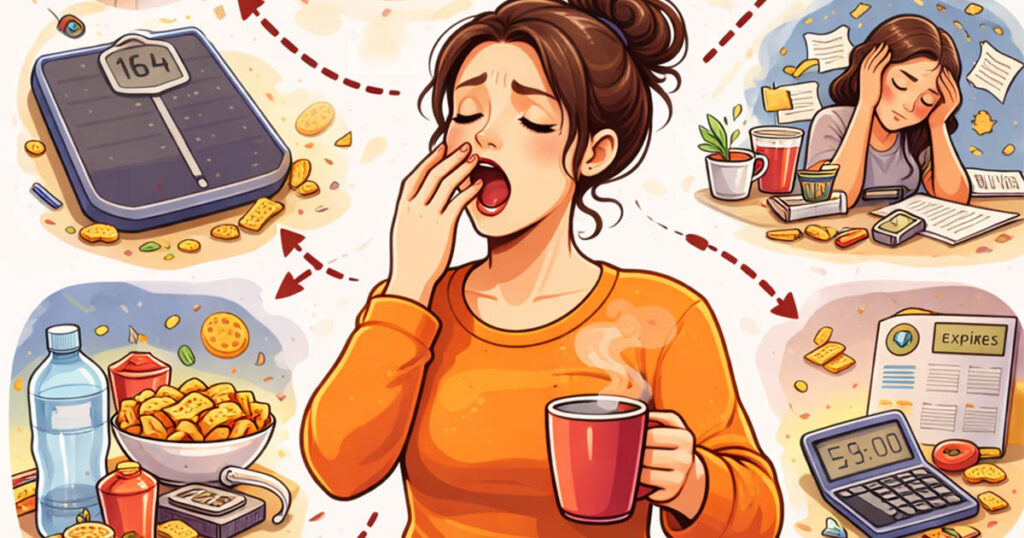
Many people struggling with weight loss eventually reach the same frustrating conclusion — my metabolism must be broken. When diets stop working and exercise no longer delivers results, blaming metabolism feels logical. But science tells a different story.
In most cases, the real problem isn’t a damaged body. Instead, unnoticed lifestyle patterns gradually interfere with how efficiently your body burns energy. These Habits That Slow Metabolism develop quietly through modern routines, stress, sleep disruption, and eating patterns that conflict with how the human body is designed to function.
The encouraging truth is that metabolism is highly adaptable. Once you understand what’s slowing it down, you can begin restoring balance naturally — without extreme dieting or exhausting routines.
Understanding What Metabolism Really Is
Before fixing metabolism, it’s important to understand what it actually does.
Metabolism refers to all chemical processes your body uses to convert food into energy. This energy fuels everything — breathing, digestion, brain activity, muscle repair, and hormone production.
Metabolism Is More Than Calorie Burning
Many people think metabolism simply determines how fast calories disappear. In reality, it controls how efficiently your body uses nutrients and maintains energy balance throughout the day.
Even when resting, your body burns calories to sustain life. This is called your basal metabolic rate (BMR).
Why Metabolism Adapts to Lifestyle
Metabolism constantly adjusts based on signals from your environment. If your body senses stress, starvation, or inactivity, it becomes more energy-efficient — burning fewer calories to conserve resources.
This adaptive response explains why certain Habits That Slow Metabolism can make weight loss increasingly difficult over time.
Early Signs Your Metabolism May Be Slowing
Metabolic changes rarely happen overnight. Instead, subtle warning signs appear first.
Persistent Fatigue
Feeling tired despite adequate sleep may indicate inefficient energy production. Your body struggles to convert food into usable fuel.
Unexplained Weight Gain
If your eating habits remain similar but weight increases, metabolic efficiency may be declining.
Frequent Cravings
Blood sugar instability often triggers cravings for sugary or high-calorie foods, reinforcing weight gain cycles.
Recognizing these signals early helps prevent long-term metabolic slowdown caused by repeated exposure to Habits That Slow Metabolism.
Modern Lifestyle Patterns That Disrupt Metabolism
Today’s environment unintentionally encourages behaviors that conflict with human biology.
Long Hours of Sitting
Desk jobs, screen entertainment, and reduced physical activity dramatically lower daily energy expenditure. Muscles play a major role in metabolism, and inactivity signals the body to conserve fuel.
Irregular Eating Schedules
Skipping meals or eating unpredictably confuses hunger hormones and slows energy use.
Constant Digital Stimulation
Late-night scrolling delays sleep hormones and disrupts recovery processes essential for metabolic health.
These everyday routines seem harmless but collectively become powerful Habits That Slow Metabolism when repeated daily.
Nutrition Mistakes That Affect Metabolic Speed
Food choices influence metabolism far beyond calorie counts.
Eating Too Little for Too Long
Extreme calorie restriction tells your body food is scarce. As a survival mechanism, metabolism slows to preserve energy.
Ironically, aggressive dieting often produces slower results than balanced eating.
Low Protein Intake
Protein supports muscle maintenance, and muscle tissue burns more calories even at rest. Insufficient protein gradually lowers metabolic rate.
Highly Processed Foods
Ultra-processed foods digest quickly, causing blood sugar spikes followed by energy crashes. This pattern encourages fat storage rather than fat burning.
Repeated nutritional mistakes become some of the most common Habits That Slow Metabolism worldwide.
The Hidden Role of Hormones
Hormones act as metabolic messengers, influencing appetite, fat storage, and energy usage.
Insulin and Blood Sugar Balance
Frequent sugar spikes increase insulin levels, encouraging fat storage and reducing fat burning efficiency.
Cortisol and Chronic Stress
Stress increases cortisol, which promotes abdominal fat storage and muscle breakdown — both harmful to metabolism.
Thyroid Function
While thyroid disorders exist, many metabolic symptoms are lifestyle-related rather than medical conditions.
Understanding hormonal influence helps explain why certain Habits That Slow Metabolism feel difficult to overcome without lifestyle adjustments.
Sleep: The Most Overlooked Metabolic Factor
Sleep is one of the strongest regulators of metabolic health.
Hormone Regulation During Sleep
Quality sleep balances leptin and ghrelin — hormones controlling hunger and fullness.
Sleep Deprivation and Weight Gain
Lack of sleep increases cravings, reduces energy levels, and lowers calorie burn the next day.
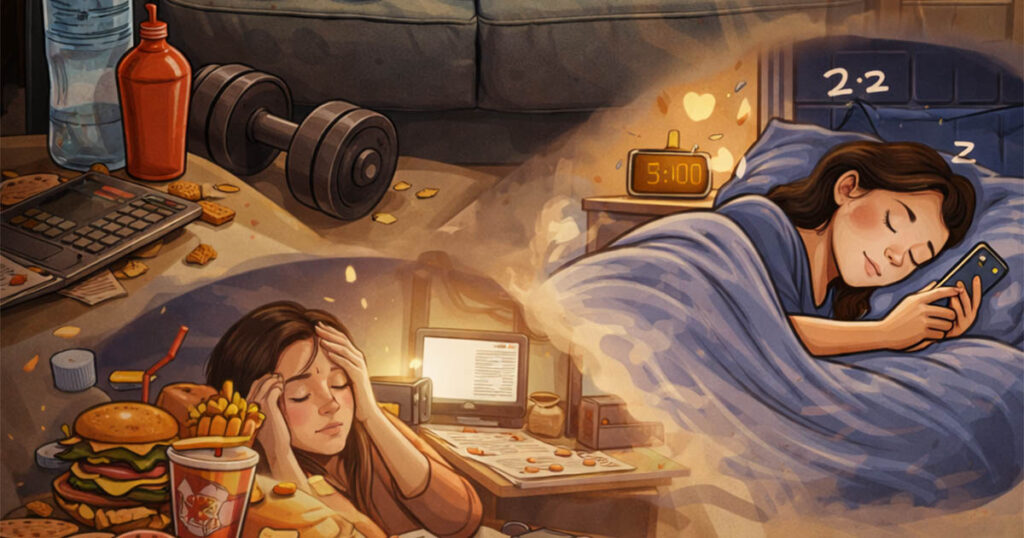
Late nights, inconsistent schedules, and excessive screen exposure are powerful Habits That Slow Metabolism many people underestimate.
Stress and Emotional Lifestyle Patterns
Modern stress rarely involves physical danger, yet the body reacts as if survival is threatened.
Chronic stress keeps metabolism in energy-saving mode.
Emotional Eating Cycles
Stress encourages comfort food cravings, creating a cycle of temporary relief followed by metabolic slowdown.
Mental Fatigue Reduces Movement
When mentally exhausted, people naturally move less, reducing daily calorie expenditure.
Managing stress effectively removes one of the strongest Habits That Slow Metabolism affecting modern lifestyles.
How Muscle Mass Influences Metabolism
Muscle tissue is metabolically active, meaning it burns energy continuously.
Why Strength Training Matters
Resistance training increases muscle mass, raising resting metabolic rate over time.
Aging and Muscle Loss
Without strength activity, adults gradually lose muscle each decade, naturally lowering metabolism.
Rebuilding muscle directly counteracts many Habits That Slow Metabolism caused by sedentary living.
Simple Lifestyle Changes That Restore Metabolic Balance
The goal isn’t perfection — it’s consistency.
Move More Throughout the Day
Walking, stretching, and standing regularly significantly increase energy expenditure.
Eat Balanced Meals
Combining protein, fiber, and healthy fats stabilizes blood sugar and improves metabolic efficiency.
Prioritize Recovery
Sleep, hydration, and stress reduction help restore hormonal balance.
Replacing harmful routines with supportive behaviors gradually reverses Habits That Slow Metabolism.
Common Metabolism Myths You Should Ignore
Myth: Eating Less Always Leads to Weight Loss
Severe restriction often slows metabolism instead of accelerating fat loss.
Myth: Supplements Can Fix Metabolism
No pill replaces consistent lifestyle habits.
Myth: Genetics Decide Everything
Genetics influence metabolism, but daily behavior has a stronger long-term impact.
Believing myths often reinforces Habits That Slow Metabolism instead of solving the problem.
Building a Metabolism-Friendly Daily Routine
Small adjustments create powerful long-term change.
- Eat at consistent times.
- Include movement breaks every hour.
- Strength train two to three times weekly.
- Maintain a regular sleep schedule.
- Stay hydrated throughout the day.
Consistency sends safety signals to your body, encouraging efficient energy use instead of conservation.
Final Thoughts: Support Your Body Instead of Fighting It
Weight loss struggles are rarely caused by a broken metabolism. More often, they result from accumulated lifestyle patterns that quietly interfere with energy balance.
Once you identify and correct the Habits That Slow Metabolism, your body begins responding naturally. Energy improves, cravings stabilize, and fat loss becomes more sustainable.
Real progress doesn’t come from extreme diets or punishment-style workouts. It comes from aligning daily habits with how your body is designed to function.
Your metabolism isn’t your enemy — it’s your partner. Treat it well, and it will work with you, not against you.
6 Mistakes That Slow Down Your Metabolism
Your Brain vs Your Cravings: The 7 Hidden Battle Behind Weight Gain














Post Comment