Hormonal Imbalance Symptoms 7 That Secretly Drive Weight Gain

Understanding Hormonal Imbalance and Weight Gain
How hormonal signals control fat storage and metabolism
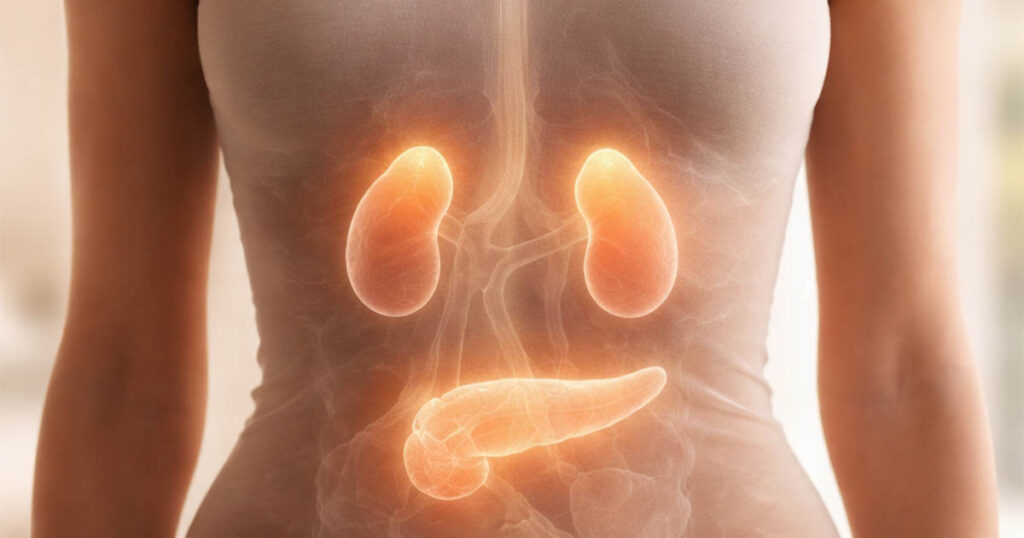
Hormonal Imbalance Symptoms That Secretly Drive Weight Gain are often misunderstood, overlooked, or misattributed to lifestyle choices alone. Many people blame themselves for unexplained weight gain, assuming it’s a lack of discipline, willpower, or effort. In reality, the body may be responding to disrupted hormonal signals that quietly shift metabolism, appetite, energy use, and fat storage.
Hormonal Imbalance Symptoms That Secretly Drive Weight Gain don’t always appear suddenly. They develop gradually, influencing how your body stores fat, how hungry you feel, how stressed you become, and how efficiently you burn calories. Understanding these signals is the first step toward sustainable, body-friendly weight management.
This article explores how hormones influence weight, the most common hormonal imbalance symptoms, and what you can do to restore balance naturally.
Understanding Hormonal Imbalance and Weight Gain
Hormones act as chemical messengers that regulate nearly every process in the body. When these signals are balanced, metabolism runs smoothly. When they’re disrupted, the body adapts in ways that often lead to weight gain.
What hormones actually do inside the body
Hormones control appetite, blood sugar levels, fat storage, muscle growth, energy production, sleep cycles, and stress responses. Even small hormonal shifts can cause noticeable changes in how the body feels and functions.
How hormonal signals control fat storage and metabolism
When hormonal signals are stable, the body efficiently uses stored energy. When imbalanced, the body may prioritize fat storage as a protective response, even when calorie intake hasn’t increased.
Why hormonal weight gain feels “out of your control”
Hormonal Imbalance Symptoms That Secretly Drive Weight Gain often override conscious behavior. You may eat the same foods, follow the same routines, yet still experience weight gain because the body is operating under altered internal signals.
Common Hormonal Imbalance Symptoms People Overlook
Hormonal imbalance doesn’t always show up as dramatic medical symptoms. Often, it appears as subtle daily struggles.
Persistent fatigue even after proper sleep
Waking up tired despite adequate sleep can signal disrupted cortisol, thyroid, or insulin regulation.
Unexplained cravings for sugar and refined carbs
Hormonal Imbalance Symptoms That Secretly Drive Weight Gain often include intense cravings caused by blood sugar instability and insulin imbalance.
Mood swings, anxiety, and irritability
Hormones influence neurotransmitters like serotonin and dopamine. Emotional fluctuations can be a sign of deeper hormonal stress.
Difficulty losing weight despite diet and exercise
When weight doesn’t respond to effort, it’s often because hormonal signals are telling the body to conserve energy rather than release fat.
Hormones Most Commonly Linked to Weight Gain
Several hormones play direct roles in weight regulation. When even one becomes dysregulated, fat storage can increase.
Insulin imbalance and fat-storage resistance
Insulin helps move glucose into cells for energy. Chronic spikes from processed foods or stress can cause insulin resistance, forcing excess glucose to be stored as fat.
Cortisol and stress-related weight accumulation
Cortisol rises during stress. Elevated cortisol signals the body to store fat, especially around the abdomen, as a survival response.
Thyroid hormones and slowed metabolism
Thyroid hormones regulate metabolic speed. When they’re low, calorie burning slows, even at rest.
Estrogen dominance and stubborn belly fat
Excess estrogen relative to progesterone can increase fat storage, particularly in the hips, thighs, and abdomen.
Leptin resistance and constant hunger signals
Leptin tells the brain when you’re full. Hormonal Imbalance Symptoms That Secretly Drive Weight Gain often include leptin resistance, where hunger signals remain high even after eating.
Lifestyle Habits That Trigger Hormonal Imbalance
Daily habits play a major role in hormone regulation. Many modern routines unintentionally disrupt hormonal balance.
Chronic stress and nervous system overload
Long-term stress keeps cortisol elevated, interfering with insulin, thyroid, and reproductive hormones.
Poor sleep quality and irregular sleep cycles
Sleep is essential for hormone repair. Inconsistent sleep disrupts cortisol, leptin, and ghrelin levels.
Skipping meals and extreme calorie restriction
Under-eating signals the body to conserve energy, increasing fat storage efficiency.
Excessive caffeine and processed food intake
High caffeine and ultra-processed foods overstimulate stress hormones and blood sugar responses.
Hormonal Imbalance Symptoms in Men vs Women
Hormonal Imbalance Symptoms That Secretly Drive Weight Gain can present differently based on sex and age.
Weight-related hormonal signs in women
Women may experience bloating, water retention, stubborn lower-body fat, irregular cycles, and fatigue.
Hormonal weight gain patterns in men
Men often see increased belly fat, reduced muscle mass, low energy, and increased irritability.
Age-related hormonal shifts after 30 and 40
As hormone production naturally changes with age, the body becomes more sensitive to stress, sleep loss, and diet quality.
How Hormonal Imbalance Leads to Stubborn Fat Storage
The body doesn’t store fat randomly. Hormonal signals determine when and where fat is stored.
The role of inflammation in hormonal disruption
Inflammation interferes with hormone receptors, making signals less effective.
Blood sugar instability and fat retention
Frequent blood sugar spikes encourage insulin release, which promotes fat storage.
Why the body enters “storage mode”
Hormonal Imbalance Symptoms That Secretly Drive Weight Gain often reflect the body’s attempt to protect itself from perceived stress or scarcity.
Natural Ways to Support Hormonal Balance
Supporting hormones doesn’t require extreme measures. Small, consistent changes often produce the best results.
Foods that stabilize hormones naturally
Balanced meals with protein, fiber, healthy fats, and micronutrients help regulate insulin and cortisol.
Sleep routines that reset hormonal signals
Consistent sleep and wake times help normalize cortisol and melatonin cycles.
Stress-management practices that reduce cortisol
Breathing exercises, walking, stretching, and mindfulness calm the nervous system.
Gentle movement vs intense workouts
Overtraining can worsen hormonal imbalance. Moderate, consistent movement supports metabolic health.
When to Seek Medical Support for Hormonal Issues
Sometimes lifestyle changes aren’t enough, and medical guidance is necessary.
Warning signs that shouldn’t be ignored
Sudden weight gain, severe fatigue, hair loss, irregular cycles, or persistent mood changes warrant professional evaluation.
Common tests doctors recommend
Blood tests may evaluate thyroid function, insulin response, cortisol levels, and reproductive hormones.
Why self-diagnosing hormones can backfire
Hormones interact in complex ways. Targeting one without understanding the whole system can worsen imbalance.
Final Thoughts on Hormonal Imbalance and Weight Gain
Hormonal Imbalance Symptoms That Secretly Drive Weight Gain are not signs of failure or weakness. They’re signals from the body asking for support, balance, and recovery.
Listening to your body’s early warning signs
Ignoring subtle symptoms allows imbalance to deepen. Awareness empowers early correction.
Why sustainable weight loss starts with hormones
Lasting weight management isn’t about fighting the body—it’s about restoring internal harmony so fat loss happens naturally.
Hormonal Imbalance Symptoms That Secretly Drive Weight Gain remind us that health is not just about calories or workouts, but about creating an environment where the body feels safe enough to release stored energy.
Also read for more information : 11 unexpected signs of hormonal imbalance
Read next on Lifenurt : Body Signals Most People Ignore: 7 Shocking Warning Signs That Trigger Weight Gain














Post Comment