Cortisol Crash Cycle: 7 Everyday Habits That Secretly Stall Fat Loss

What Is the Cortisol Crash Cycle?
How Cortisol Affects Fat Storage and Metabolism
The Cortisol Crash Cycle is one of the most overlooked reasons why so many people struggle to lose weight, even when they’re eating better, exercising more, and trying to live healthier. Instead of burning fat, the body enters a stress-response mode where cortisol rises, energy crashes, cravings increase, and progress slows down. When this pattern repeats day after day, the Cortisol Crash Cycle silently sabotages metabolism, hormones, and long-term fat-loss results.
In this article, we’ll break down how the Cortisol Crash Cycle forms, the everyday habits that trigger it, and — most importantly — practical ways to break the loop so your body can return to a healthier, steady fat-burning rhythm.
What Is the Cortisol Crash Cycle?

Cortisol is your body’s primary stress hormone. It helps regulate metabolism, blood sugar, energy, and your body’s fight-or-flight response. But when stress — physical, emotional, or lifestyle-driven — becomes chronic, cortisol stays elevated. That is when the Cortisol Crash Cycle begins.
The Cortisol Crash Cycle happens when cortisol spikes from stress-inducing habits, followed by an energy crash that leads to cravings, fatigue, disrupted sleep, and even more stress the next day. Over time, this cycle slows fat loss, increases belly-fat storage, affects appetite signals, and makes sustainable weight management feel impossible.
1 : Skipping Breakfast or Eating Too Late in the Day
Many people believe skipping breakfast helps save calories — but for stressed bodies, it can do the opposite. When you fast too long after waking, cortisol remains elevated to provide temporary energy. That early-morning stress signal fuels the Cortisol Crash Cycle, leading to mid-day crashes, overeating, and sugar cravings later in the day.
Better Approach
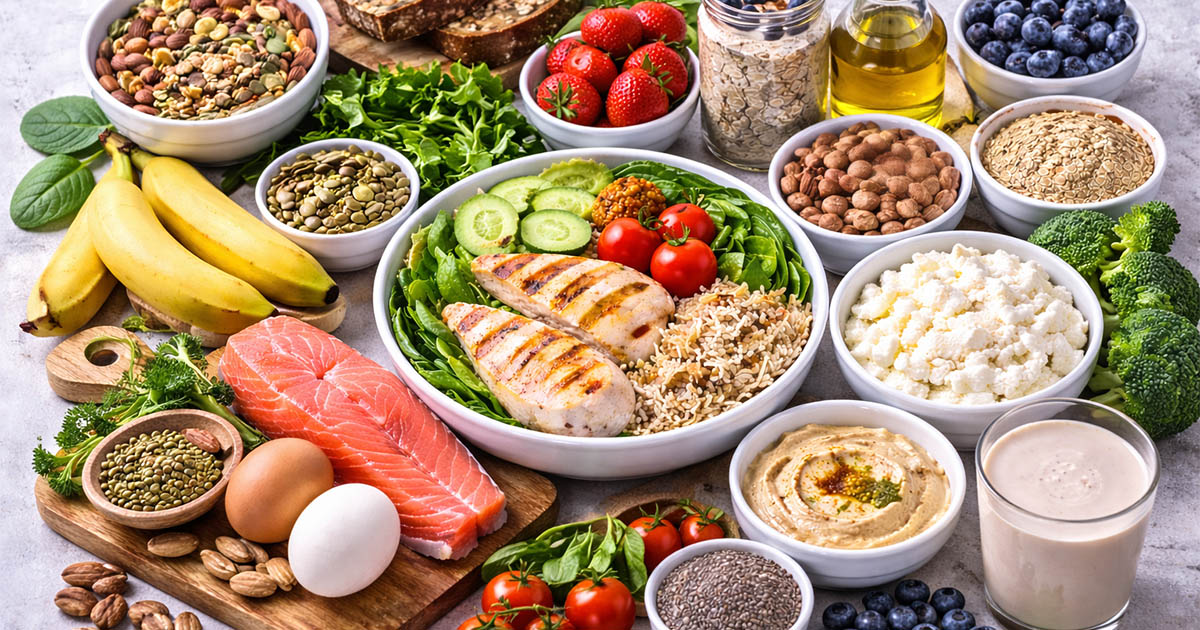
Eat a balanced morning meal with protein, fiber, and healthy fats. This stabilizes blood sugar, lowers stress response, and supports steadier fat-burning throughout the day.
2 : Constant Multitasking and Mental Overload
Modern life encourages endless stimulation — scrolling, notifications, deadlines, and multitasking between responsibilities. But mental overload keeps the brain in a high-alert state, continually feeding the Cortisol Crash Cycle and making the body feel threatened, even when you’re physically still.
Better Approach
Take intentional pauses throughout the day — short walks, breathing exercises, or focused deep-work blocks. Calmer brain activity lowers cortisol and helps restore metabolic balance.
3 : Late-Night Screen Time and Poor Sleep Quality
Blue-light exposure delays melatonin production and interferes with the natural cortisol-melatonin rhythm. As a result, the Cortisol Crash Cycle continues overnight: shallow sleep, frequent waking, fatigue on waking, and carb-heavy cravings the next morning.
Better Approach
Create a nightly wind-down routine, dim screens, and aim for consistent sleep timing. Quality rest helps the body lower stress hormones and improve fat-loss recovery.
4 : Excess Caffeine and Energy Drinks
Caffeine boosts alertness, but too much of it — especially on an empty stomach — stimulates cortisol spikes. When energy later collapses, the Cortisol Crash Cycle triggers hunger, irritability, and the urge for quick-fix sugar or junk food.
Better Approach
Limit caffeine to earlier in the day, pair it with food, and replace back-to-back energy drinks with water or herbal alternatives to stabilize energy naturally.
5 : Overtraining Without Enough Recovery
Exercise is powerful for health — but intense workouts performed too frequently, without rest, can raise cortisol instead of reducing it. When the body feels physically threatened or depleted, the Cortisol Crash Cycle slows muscle repair and fat-burning progress.
Better Approach
Balance strength training, cardio, and recovery. Rest days, mobility work, and adequate fueling help the body respond positively to exercise instead of storing stress.
6 : Emotional Eating and Stress-Driven Snacking
Cortisol increases cravings for high-sugar, high-fat comfort foods because the body believes it needs quick energy for survival. Once the rush fades, exhaustion returns — and the Cortisol Crash Cycle repeats through mood swings, guilt, and more overeating.
Better Approach
Practice mindful eating, identify stress triggers, and keep nourishing snack options available so food becomes fuel — not an emotional coping mechanism.
7 : Living in a Constant “Rush Mode” Lifestyle
Rushed mornings, back-to-back tasks, and nonstop responsibility send continuous stress signals to the nervous system. When every day feels like a race, the Cortisol Crash Cycle becomes the body’s default operating pattern.
Better Approach
Slow the tempo of at least one part of your day — mornings, meals, or evenings. Small shifts toward calmness create powerful biological effects on hormones and fat loss.
How to Break the Cortisol Crash Cycle and Restart Fat Loss
To truly break the Cortisol Crash Cycle, the goal isn’t perfection — it’s consistency in small, restorative habits. Think in terms of recovery, balance, nourishment, and nervous-system calm rather than restriction or punishment.
Key Strategies to Reset the Body
- Prioritize protein-rich meals and steady eating rhythms.
- Protect nightly sleep as a non-negotiable health anchor.
- Schedule recovery days and avoid burnout-style training.
- Swap chaos-driven multitasking for focused, intentional work.
- Add short relaxation rituals — walking, journaling, breathwork.
As the Cortisol Crash Cycle unwinds, energy stabilizes, cravings fade, mood improves, and the body becomes more responsive to fat-loss habits again.
Final Thoughts
Fat loss is not just about calories, workouts, or willpower — it’s also about biology, stress regulation, and self-care. When you learn to recognize and interrupt the Cortisol Crash Cycle, you’re not just improving your metabolism — you’re supporting your overall health, resilience, and emotional wellbeing for the long term.
Also read for more information : 11 Natural Ways to Lower Your Cortisol Levels
Read next on Lifenurt : Digital Fatigue Metabolism: 7 Ways Screen Overload Quietly Slows Weight Loss
6 Mindless Snacking Triggers You Don’t Notice — Why You Eat Without Real Hunger













Post Comment