Sneaky Sugar Crash: 9 ‘Healthy’ Eating Habits That Spike Insulin Without You Knowing

Fruit Smoothies That Act Like Liquid Sugar
Introduction — Why “Healthy” Eating Habits Still Cause Hidden Sugar Spikes

Many people try to eat “healthy” — swapping junk food for smoothies, granola bars, yogurt bowls, and whole-grain snacks. Yet despite their best intentions, they still struggle with sudden fatigue, afternoon energy dips, unexplained hunger, and stubborn weight gain. That’s because modern nutrition culture is filled with foods that sound wholesome but quietly trigger a Sneaky Sugar Crash — the kind of blood-sugar spike and drop that leaves you tired, shaky, and craving more carbs soon after eating.
A Sneaky Sugar Crash doesn’t always come from candy or soda. Instead, it often comes from foods marketed as natural, clean, or low-fat. These choices may look nutritious on the surface, but they digest quickly, flood the bloodstream with glucose, and prompt the body to release a large insulin surge. When insulin rises fast, blood sugar drops just as quickly — leading to fatigue, mood swings, focus problems, and overeating later in the day.
Understanding these hidden traps isn’t about fear or restriction — it’s about awareness. When you learn how certain “healthy” habits cause a Sneaky Sugar Crash, you gain the power to build steadier energy, calmer appetite signals, and better metabolic resilience without giving up your favorite foods.
1. Fruit Smoothies That Act Like Liquid Sugar
Why does blended fruit spike insulin faster than whole fruit
Smoothies seem like an obvious health choice — packed with fruit, vitamins, and antioxidants. But many store-bought or home-blended smoothies are essentially liquid sugar. When fruit is blended, its fiber is broken down, allowing natural sugars to enter the bloodstream much more quickly. This rapid absorption is one of the most common ways people unknowingly trigger a Sneaky Sugar Crash right at breakfast.
A large smoothie containing banana, mango, and orange juice can deliver more sugar than a can of soda. Even though the sugar is natural, the insulin response is the same — fast, intense, and followed by an energy slump shortly afterward.
Smarter smoothie combinations that keep blood sugar steady
To avoid another Sneaky Sugar Crash, pair fruit with stabilizing ingredients such as Greek yogurt, protein powder, chia seeds, or nut butter. Limit fruit to 1 serving per smoothie and skip juice bases—instead, use water or unsweetened milk alternatives. Adding fiber and protein slows digestion and keeps energy stable, rather than spiking and crashing.
2. Low-Fat Yogurt That’s Packed With Added Sugars
How “low-fat” foods sneak in sweeteners
Low-fat yogurt is often marketed as a heart-healthy snack, but widely flavored varieties contain more sugar than dessert. When fat is removed, manufacturers add extra sweeteners to make the product taste better — creating yet another source of a Sneaky Sugar Crash disguised as a wholesome food.
Sweetened yogurt cups, fruit-on-the-bottom varieties, and dessert-inspired flavors cause insulin to rise quickly, especially when eaten alone without protein or fiber.
What to look for on yogurt labels to avoid insulin spikes
Choose plain, unsweetened Greek yogurt whenever possible. Add your own fruit or cinnamon rather than relying on pre-sweetened flavors. This reduces the chance of a mid-morning Sneaky Sugar Crash and provides a steadier mix of protein, probiotics, and nutrients your body can actually use.
3. Granola and Protein Bars Marketed as “Healthy Snacks.”
Hidden sugars and syrups in convenience health foods
Granola bars and protein snacks are often advertised as energy boosters, but many are made with honey, syrups, and refined grains. The combination of fast carbohydrates and minimal fiber turns them into a predictable source of a Sneaky Sugar Crash, especially when eaten as an on-the-go breakfast or afternoon pick-me-up.
Some protein bars contain more sugar than candy — and the insulin spike that follows can leave you even hungrier than before you ate.
Better snack alternatives that support stable energy
Instead of grabbing packaged bars, choose whole-food snacks like nuts, hard-boiled eggs, cottage cheese, carrots with hummus, or apple slices paired with nut butter. These options provide protein, fat, and fiber — the exact trio that helps prevent another Sneaky Sugar Crash and keeps you satisfied longer.
4. Drinking Fruit Juice Instead of Eating Whole Fruit
Why does juice remove fiber and accelerate glucose absorption?
Fruit juice is often marketed as natural and vitamin-rich, but it lacks the one element that keeps sugar absorption stable — fiber. Without fiber, juice behaves like a sweetened beverage, sending blood sugar soaring and setting the stage for another Sneaky Sugar Crash shortly after drinking it.
Even “no added sugar” labels can be misleading. Juice concentrates and blends still flood the bloodstream quickly, especially when consumed on an empty stomach.
Simple swaps that reduce sugar crashes
Replace juice with whole fruit, sparkling water with citrus slices, or diluted juice with added ice. Eating fruit in its natural form slows digestion and minimizes the chance of a post-meal Sneaky Sugar Crash, while still giving you all the nutrients you expect.
5. Oatmeal Bowls Loaded With Honey, Banana, and Dried Fruit
When “healthy toppings” turn oatmeal into a dessert
Oatmeal is widely considered a nutritious breakfast, but topping it with honey, bananas, brown sugar, and dried fruit can turn it into a high-sugar meal. Without protein or fat, oatmeal digests quickly and causes insulin to spike — a classic breakfast-time Sneaky Sugar Crash waiting to happen.
This pattern often leads to late-morning hunger, snacking, and mental fog even when the meal seemed “healthy” on the surface.
Insulin-friendly oatmeal add-ins for balanced energy
To stop another Sneaky Sugar Crash, prepare oatmeal with milk or Greek yogurt and add toppings like nuts, seeds, or protein powder. Combine slow carbs with protein and fats to create a breakfast that keeps you alert and satisfied, rather than sleepy and craving sweets.
6. Flavored Coffee Drinks and Smoothie-Chain Beverages
The blood sugar impact of hidden syrups and powders
Coffee shops and smoothie chains often turn simple beverages into dessert-like creations filled with flavored syrups, sweetened creamers, fruit purees, and sugary powders. These drinks create a rapid insulin surge that leads straight into a Sneaky Sugar Crash, especially when consumed instead of a real meal.
Even drinks labeled as protein shakes can contain more sugar than a milkshake, leaving you wired for a moment — and drained shortly afterward.
Low-spike drink choices that still taste great
Choose black coffee, unsweetened lattes, or lightly sweetened beverages made with milk alternatives and no flavored syrups. When you reduce your sugar intake, you minimize the risk of repeating the Sneaky Sugar Crash cycle that often follows these hidden liquid desserts.
7. Choosing “Whole Grain” Bread That Isn’t Really Whole Grain
Fast-digesting carbs disguised as healthy fiber
Many bread products are labeled “multigrain,” “wheat,” or “whole grain,” yet they’re still made mostly from refined flour. These processed grains digest rapidly and can trigger a lunchtime Sneaky Sugar Crash, especially when paired with sweet spreads or eaten without protein.
The label may sound healthy, but if the first ingredient isn’t truly whole grain, the insulin response is similar to that of white bread.
How to identify real slow-digesting whole grains
Look for labels that list 100% whole grain or use sprouted grains. Pair bread with protein sources such as eggs, turkey, tofu, or avocado to prevent another Sneaky Sugar Crash and maintain steady mental clarity after meals.
8. Snacky Mini-Meals Without Protein or Healthy Fats
Why carb-only snacks trigger insulin rollercoasters
Modern grazing habits — crackers, fruit, cereal, pretzels, and rice cakes — create constant small spikes in blood sugar throughout the day. When snacks lack protein or fat, they digest instantly and cause repeated cycles of Sneaky Sugar Crash episodes that leave you chasing energy instead of maintaining it.
Over time, this pattern can worsen cravings, mood swings, and metabolic fatigue.
Simple ways to build blood-sugar-steady snack plates
Try combining carbs with protein and fiber — cheese with whole-grain crackers, yogurt with nuts, or fruit with peanut butter. These combinations slow glucose absorption and reduce the likelihood of another Sneaky Sugar Crash creeping into your afternoon routine.
9. Eating Too Many “Natural Sweeteners” Like Honey and Agave
Why natural doesn’t always mean low-insulin
Honey, maple syrup, coconut sugar, and agave are often viewed as cleaner alternatives to table sugar — but the body still responds to them with the same insulin surge. Large servings of “natural” sweeteners can easily trigger a Sneaky Sugar Crash, especially when added generously to oatmeal, tea, smoothies, or baked goods.
The health halo effect makes it easy to overuse them without realizing their impact.
Healthier sweetener habits that reduce sugar spikes
Use natural sweeteners sparingly, pair them with fiber-rich foods, or gradually reduce your overall sweet preference. These gradual changes help prevent another Sneaky Sugar Crash while still allowing room for flavor and enjoyment.
How to Build Daily Eating Habits That Keep Insulin Stable
The balanced-plate approach for steady energy
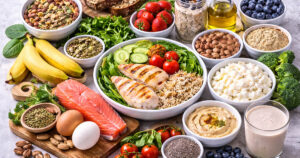
The best way to avoid a recurring Sneaky Sugar Crash is to build meals around a simple formula: protein, fiber-rich carbohydrates, and healthy fats. This combination slows digestion, stabilizes insulin, and supports mental focus, mood stability, and metabolic health.
Instead of chasing energy with quick-fix foods, you begin fueling your body in a way that sustains you throughout the day.
Small habit shifts that make a big metabolic difference.
You don’t need to eliminate fruit, oatmeal, or bread. The goal is to recognize where a Sneaky Sugar Crash is likely to appear and adjust ingredients, portions, or pairings. Small adjustments — more fiber, more protein, fewer sweetened add-ons — create meaningful improvements in how you feel after every meal.
Final Thoughts — Awareness Is the First Step Toward Better Metabolic Health
Most people who experience a Sneaky Sugar Crash aren’t doing anything wrong — they’re simply following nutrition trends that overlook blood-sugar balance. Once you understand how certain “healthy” habits affect insulin, you gain control over your energy levels, appetite signals, and long-term metabolic wellness.
Food becomes empowering again — not something that leaves you drained, restless, or chasing cravings. With awareness, balance, and a few smart swaps, you can finally break the Sneaky Sugar Crash cycle and build a way of eating that supports clarity, strength, and consistent vitality every day.
10 Causes of Blood Sugar Swings That May Surprise You
Heart Health Diet: Understanding Why 5 Diet Matters for a Stronger Heart
Habits and Lifestyle Upgrades for More Energy: 9 Proven Ways to Recharge Naturally












Post Comment