Hidden Sugar Shockers: 10 ‘Healthy’ Foods That Spike Insulin Instantly
Why “Healthy” Foods Can Still Spike Insulin
The difference between sugar, carbs, and glycemic load
If you’re trying to lose weight, boost energy, or balance blood sugar, you probably do your best to avoid desserts, sweets, and obvious junk food. But what surprises most people is that some of the biggest Hidden Sugar Shockers aren’t candy bars or soda at all — they’re the foods marketed as healthy, wholesome, and fitness-friendly. These seemingly innocent choices can cause rapid glucose spikes, trigger cravings, increase fat storage, and leave you hungrier than before.
Many of these foods look nutritious on the surface — they come in eco-friendly packaging, promise “natural energy,” or say things like whole grain, low-fat, or made with real fruit. Yet behind the labels, they behave more like dessert in disguise. That’s why understanding Hidden Sugar Shockers is essential for anyone working on weight management, metabolic health, or long-term wellness.
In this guide, we’ll break down why certain “healthy” foods spike insulin so quickly, reveal ten of the most common culprits, and show you smarter ways to enjoy them without sabotaging your goals.
Why “Healthy” Foods Can Still Spike Insulin
When we think of sugar, we usually picture cakes, cookies, or candy. But the body doesn’t just respond to sweetness — it responds to how quickly carbohydrates break down into glucose. Highly refined grains, fruit concentrates, and processed carbs can raise blood sugar just as fast as table sugar.
The Difference Between Sugar, Carbs, and Glycemic Load
Carbohydrates are not inherently bad. Whole-food carbs like vegetables, legumes, and intact grains digest slowly and provide fiber, vitamins, and minerals. The problem comes from foods that are ground, refined, blended, or stripped of fiber. These digest rapidly, sending glucose into the bloodstream in a rush — forcing the pancreas to release a surge of insulin.
Even foods that don’t taste sweet can cause this effect.
That’s what makes some products deceptive. They sit right in the middle of the grocery store health aisle and still function like Hidden Sugar Shockers (3).
How Insulin Spikes Affect Fat Storage and Cravings
When insulin rises sharply:
- The body stores more calories as fat.
- Fat burning temporarily switches off.
- Appetite rebounds when blood sugar crashes.
- Energy levels fluctuate sharply.
Over time, repeated spikes can contribute to insulin resistance, belly fat accumulation, and metabolic slowdown — even if your calorie intake doesn’t seem high.
Why Labels and Marketing Can Be Misleading
Food companies know consumers want healthier choices. So packaging language often emphasizes benefits while minimizing what matters most:
- “Low-fat” often means higher sugar.
- “Natural” can still mean concentrated carbohydrates
- “Whole-grain” may still be digested almost as fast as white bread.
That’s why learning to identify Hidden Sugar Shockers is one of the most powerful habits for improving metabolic health (4).
Hidden Sugar Shockers You Didn’t Expect
Below are 10 everyday foods that look health-conscious — but cause rapid insulin spikes when eaten in typical serving sizes. Each section explains why they spike blood sugar and how to enjoy smarter alternatives.
1. Flavored Yogurt — The Dessert Disguised as Breakfast
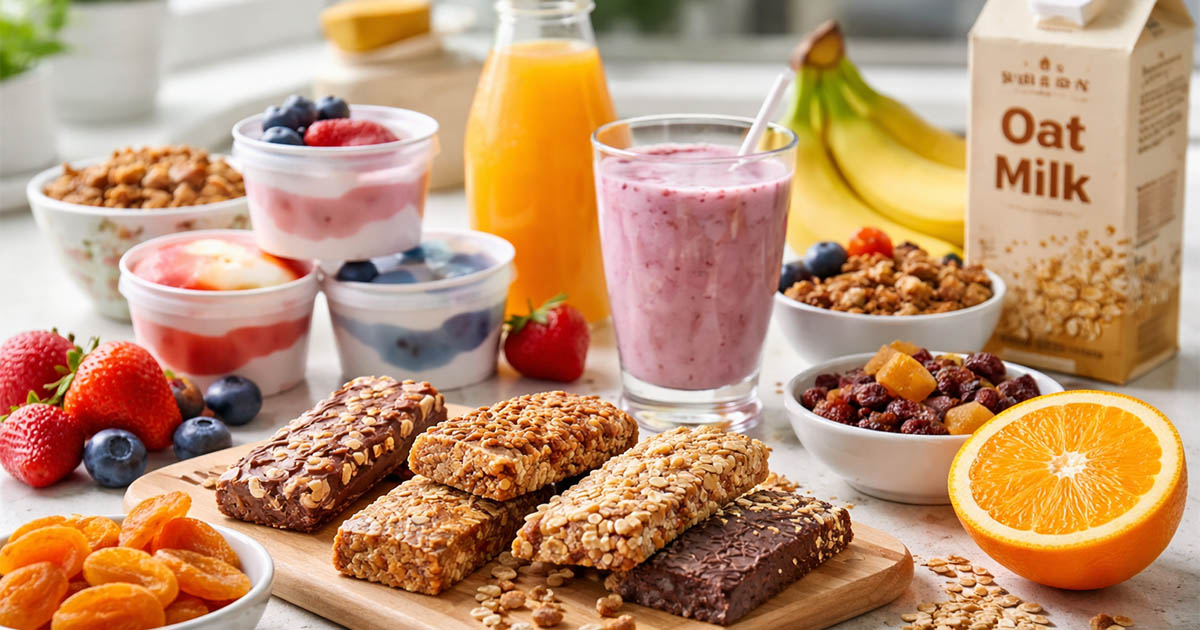
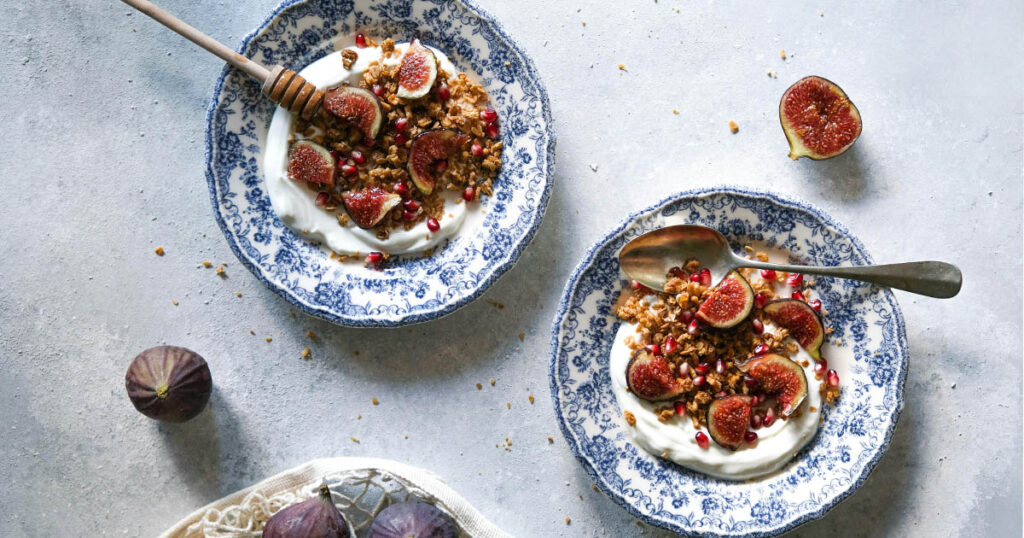
Many people grab flavored yogurt thinking it’s a protein-rich breakfast. But most varieties contain fruit puree, syrups, or cane sugar, which are rapidly digested. Some cups contain the equivalent of multiple teaspoons of sugar, even when labeled low-fat or light. For many people trying to stabilize glucose, this breakfast staple becomes one of the biggest Hidden Sugar Shockers (5).
Smarter swap: Choose plain Greek yogurt and add berries, cinnamon, or a drizzle of raw honey if needed. This keeps fiber, protein, and probiotics intact without insulin spikes.
2. Granola & Energy Bars — Health Halo with High Sugar
Granola and snack bars are marketed as natural “fuel,” perfect for busy mornings or workouts. But most are made from oats, puffed grains, honey, agave, or brown rice syrup — all fast-digesting sugars. Some bars spike glucose almost as quickly as candy, making them another example of Hidden Sugar Shockers (6).
Smarter swap: Look for bars with nuts, seeds, and minimal sweeteners, or pair a small portion with yogurt or a boiled egg to slow digestion.
3. Fruit Smoothies — Natural Sugars, Extreme Insulin Response
Fruit is healthy, but blending several servings into one cup removes chewing time and fiber structure. Without fiber resistance, fructose and glucose are absorbed rapidly. Add juice or sweetened yogurt, and the spike is even stronger. For many people chasing nutrition, smoothies unintentionally act as Hidden Sugar Shockers (7).
Smarter swap: Build smoothies around protein powder, Greek yogurt, or nut butter—and limit fruit to 1 serving plus greens.
4. Oatmeal Packets — Instant Sugar Bombs in a Bowl
Oats can be incredibly healthy — when they’re whole and minimally processed. But flavored instant packets contain thin flakes, added sugars, and maltodextrin. They digest much faster than steel-cut or rolled oats, turning breakfast into another example of Hidden Sugar Shockers (8).
Smarter swap: Choose plain oats, add nuts or seeds, and sweeten lightly with fruit instead of syrup mixes.
5. Whole-Wheat Bread — Fast-Digesting Carbs That Act Like Sugar
Whole-wheat bread sounds healthy, but most commercial loaves are finely milled. Even though the color is brown, the grain particles are so small that digestion is rapid, and the body treats it almost like white bread. That’s why sandwiches and toast often behave like Hidden Sugar Shockers during meals (9).
Smarter swap: Pick sprouted-grain, seeded, or high-fiber bread — or replace one slice with protein or vegetables.
6. Fruit Juices — No Fiber, Quick Glucose Spike
Juice seems natural, but it’s essentially fruit with the fiber removed. Even 100% pure juice floods the bloodstream quickly and doesn’t trigger fullness signals as effectively as whole fruit does. Glasses of juice are classic Hidden Sugar Shockers because they compress multiple servings of sugar into just a few sips (10).
Smarter swap: Eat whole fruit or dilute juice heavily with sparkling water.
7. Protein Shakes — Hidden Sweeteners in “Fitness” Drinks
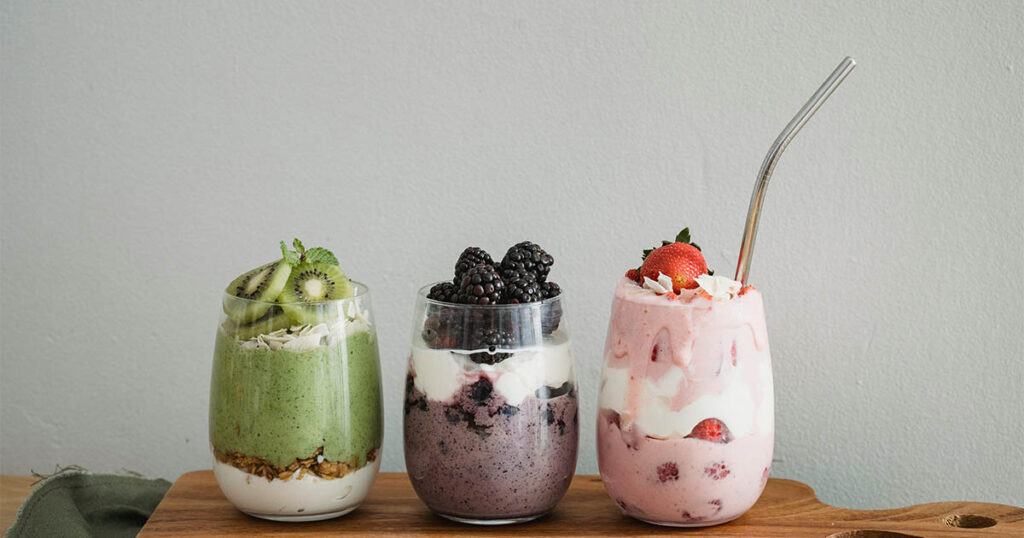
Many commercial protein shakes contain syrups, maltodextrin, or artificial sweeteners blended with milk powders. They’re marketed for muscle recovery, but some behave metabolically like milkshakes. Without realizing it, people drink them daily and unknowingly rely on Hidden Sugar Shockers for nutrition (11).
Smarter swap: Choose unsweetened protein powder and blend with water, unsweetened almond milk, or yogurt.
8. Plant-Based Milk — Sweetened Varieties with Added Sugars
Almond, oat, soy, and coconut milk can be useful alternatives — but sweetened versions often contain additives and sugar. Oat milk, in particular, can raise glucose quickly because of its starch conversion process. That makes many coffee drinks quite Hidden Sugar Shockers throughout the day (12).
Smarter swap: Choose “unsweetened” varieties and add flavor with cinnamon or cocoa, not syrups.
9. Salad Dressings — Sugary Sauces Masquerading as Healthy
Salads are healthy — until the dressing turns them into dessert. Many bottled dressings use corn syrup, honey blends, or concentrated fruit components to boost flavor. A few tablespoons can convert a nutritious meal into yet another example of Hidden Sugar Shockers (13).
Smarter swap: Use olive oil, lemon, balsamic vinegar, or homemade blends with herbs and garlic.
10. Dried Fruit — Concentrated Sugar in Tiny Portions
Dried fruit sounds wholesome because it starts as fruit, but removing water concentrates sugar and reduces volume. A handful of raisins or dates can equal multiple servings of natural sugar, leading to a rapid glucose spike. That’s why snack mixes and trail blends often function as Hidden Sugar Shockers when eaten casually (14).
Smarter swap: Combine a small portion with nuts to slow the insulin response — or choose fresh fruit instead.
How to Enjoy These Foods Without Spiking Insulin
You don’t have to eliminate every item on this list — the goal is to change how you combine and portion them.
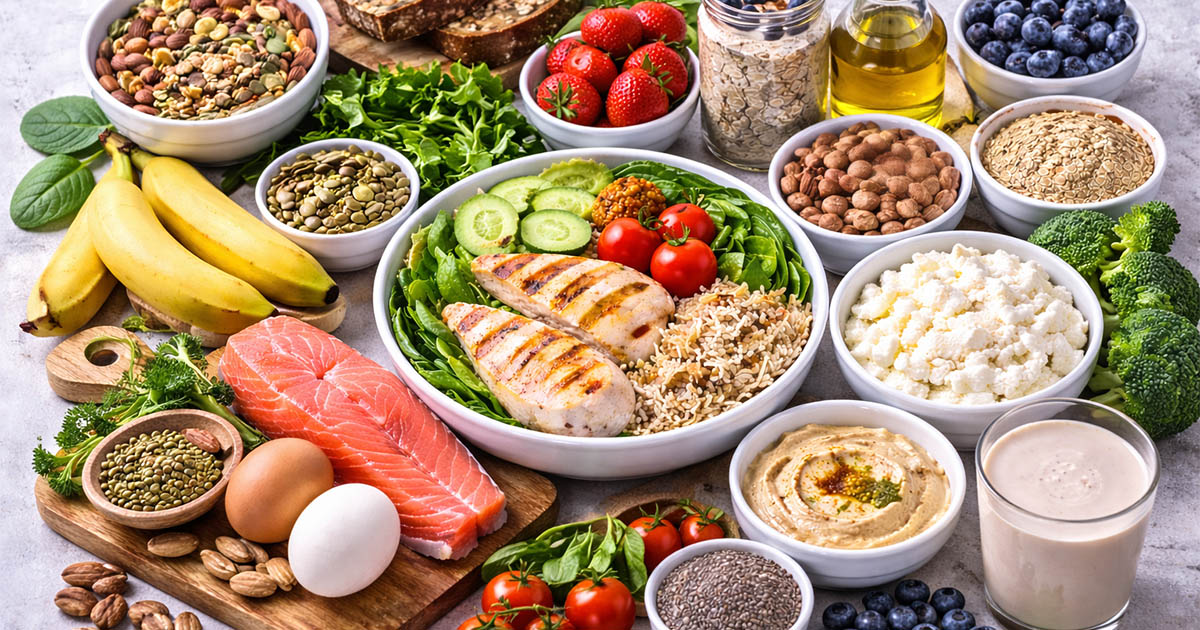
Pair Carbs with Protein and Healthy Fats
Protein, fat, and fiber slow digestion and flatten glucose curves. Examples:
- Pair bread with eggs or avocado
- Add nuts or seeds to oatmeal.
- Combine fruit with yogurt or cottage cheese.
This prevents rapid spikes and energy crashes.
Choose Lower-Glycemic Alternatives
Simple swaps can drastically change your metabolic response:
- Rolled or steel-cut oats instead of instant packets
- Whole fruit instead of juice or puree
- Unsweetened yogurt instead of flavored cups
You still enjoy variety — without the metabolic rollercoaster.
Portion Awareness and Timing
Even healthy foods can spike insulin when portions are oversized. Eating carb-heavy snacks alone is more likely to trigger cravings later. Whenever possible, combine meals and avoid grazing on refined items.
Smart Grocery Tips to Avoid Sugar Surprises
Becoming a label-literate shopper is one of the best investments you can make in your long-term health.
Read Labels Beyond “Low-Fat” and “Natural”
Check:
- Total carbohydrates
- Added sugars
- Fiber content
Fewer ingredients often mean less processing.
Watch for Sneaky Sweeteners
Multiple names show up on packages:
- Brown rice syrup
- Fructose
- Cane juice
- Maltodextrin
- Agave nectar
Different name — same metabolic outcome.
Make Simple, Sustainable Swaps
Small upgrades compound over time:
- More whole foods, fewer packaged blends
- More chewing, less sipping of nutritional calories
- More fiber-rich meals, fewer refined carbs
Final Thoughts — Building an Insulin-Friendly Diet
Improving metabolic health isn’t about perfection — it’s about awareness and better daily choices. Once you recognize how common foods can behave like blood sugar accelerators, you gain control over cravings, energy, mood, and weight management. By replacing processed options with whole-food alternatives, pairing carbs with protein, and watching for misleading labels, you build a diet that works with your body instead of against it.
Balanced eating should feel steady — not like a constant spike-and-crash cycle. Making thoughtful choices today strengthens your metabolism for the long run.
Read for more information : 6 Foods That Tend to Spike Blood Sugar
Read next on Lifenurt : Metabolic Adaptation Explained: The Hidden Reason Weight Loss Plateaus
7 Science-Backed Ways to Restore Blood Sugar Balance Naturally










Post Comment