Sleepmaxxing Benefits: 6 Reasons Better Sleep Changes Your Whole Body

What Is Sleepmaxxing and Why It’s Trending
The meaning of Sleepmaxxing in modern wellness

Sleepmaxxing Guide: 10 Science-Backed Habits That Upgrade Your Sleep Naturally
Sleep has quietly become one of the most misunderstood pillars of health. In a culture obsessed with productivity, sleep is often treated as expendable—something to cut short in favor of longer work hours, more screen time, or endless scrolling. Yet science continues to prove the opposite: sleep is not lost time, but active repair.
This realization has sparked a growing wellness movement known as Sleepmaxxing. Instead of chasing quick fixes or miracle supplements, this approach focuses on optimizing natural sleep patterns through consistent, biology-friendly habits.
This guide breaks down exactly what Sleepmaxxing is, why it works, and the 10 science-backed habits that can help you fall asleep faster, sleep deeper, and wake up feeling genuinely restored.
What Is Sleepmaxxing and Why It’s Trending
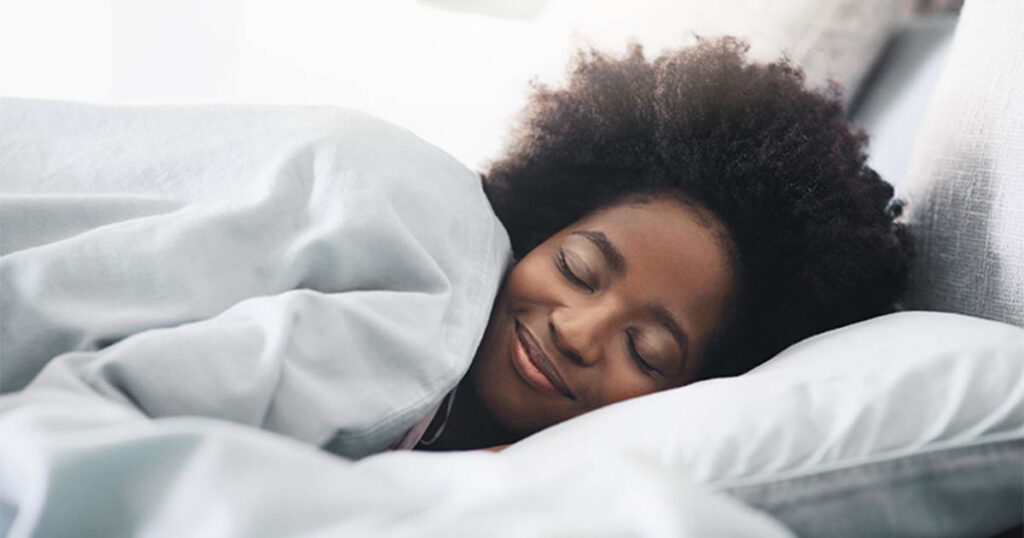
The meaning of Sleepmaxxing in modern wellness
Sleepmaxxing refers to the intentional practice of improving sleep quality by aligning daily habits with the body’s natural sleep-wake cycle. Rather than forcing sleep through hacks, it creates the right conditions for sleep to happen naturally.
At its core, Sleepmaxxing is about respecting how the nervous system, hormones, and circadian rhythm work together.
How Sleepmaxxing differs from basic sleep hygiene
Traditional sleep hygiene focuses on surface-level advice, such as avoiding caffeine late at night or keeping the bedroom dark. Sleepmaxxing goes deeper. It connects sleep to daytime behaviors, emotional regulation, light exposure, meal timing, and mental habits.
Why sleep optimization matters more than ever
Chronic sleep deprivation is now linked to obesity, insulin resistance, anxiety disorders, weakened immunity, and cognitive decline. Optimizing sleep is no longer optional—it’s preventive care.
How Sleepmaxxing Improves Overall Health
The connection between sleep and circadian rhythm
Your circadian rhythm acts like an internal clock, guiding hormone release, digestion, body temperature, and alertness. When this rhythm is disrupted, sleep becomes shallow and fragmented.
Sleepmaxxing works by strengthening this rhythm rather than fighting it.
Sleep quality vs sleep duration
Eight hours of poor-quality sleep is not equal to seven hours of deep, uninterrupted rest. Sleepmaxxing prioritizes sleep depth, efficiency, and consistency over rigid hour targets.
How optimized sleep supports the body
When sleep improves, cortisol levels stabilize, insulin sensitivity increases, inflammation drops, and emotional resilience improves. Better sleep often leads to better decisions throughout the day.
1: Build a Consistent Sleep Schedule
Why sleep timing trains your internal clock
Going to bed and waking up at different times each day confuses your brain. Consistency trains your body to expect sleep at a specific time, making it easier to fall asleep naturally.
How irregular sleep disrupts deep rest
Late nights followed by early mornings shorten deep sleep phases. Over time, this can lead to cumulative fatigue, even if total sleep hours appear adequate.
Maintaining consistency without rigidity
You don’t need perfection. Keeping sleep and wake times within a 30–60 minute window is enough to support long-term rhythm stability.
2: Create a Cooler Sleep Environment
Why does temperature affect sleep depth?
Your body naturally cools as it prepares for sleep. A warm room interferes with this process and increases nighttime awakenings.
Ideal bedroom temperature
Most people sleep best between 18–22°C (65–72°F). Cooler environments support deeper sleep stages.
Simple cooling strategies
Light bedding, breathable fabrics, and proper ventilation can make a noticeable difference without expensive equipment.
3: Eliminate Light Exposure at Night
How light suppresses melatonin
Even small amounts of artificial light can delay melatonin production, making it harder to fall asleep.
The impact of screens and LEDs
Phone screens, standby lights, and digital clocks quietly interfere with sleep hormones.
Creating true darkness
Blackout curtains, dim lighting, and removing unnecessary electronics help restore natural night cues.
4: Reduce Screen Time Before Bed
Why blue light delays sleep signals
Blue light tells your brain it’s daytime. Late-night exposure keeps your mind alert when it should be winding down.
Mental stimulation matters too.
Beyond light, scrolling exposes the brain to stress, comparison, and information overload.
Healthier nighttime alternatives
Reading, gentle stretching, or listening to calming audio helps the nervous system shift into a state of rest.
5: Calm the Nervous System Naturally
Stress hormones and sleep disruption
High cortisol levels prevent the body from entering deep sleep stages.
Breathing techniques that help
Slow nasal breathing, extended exhales, and diaphragmatic breathing signal safety to the brain.
Simple calming rituals
Repeating the same calming routine each night builds a strong mental association with sleep.
6: Manage Caffeine Intake Strategically
How long does caffeine last in the body?
Caffeine can remain active for 6–8 hours, sometimes longer, depending on genetics.
Hidden caffeine sources
Tea, chocolate, energy drinks, and some medications contain more caffeine than expected.
Best cutoff time
Stopping caffeine by early afternoon gives the nervous system time to unwind naturally.
7: Strengthen the Bed–Sleep Connection
Why the brain associates places with actions
When you work, eat, or scroll in bed, your brain stops linking the bed with sleep.
How multitasking in bed harms sleep
Mental stimulation delays sleep onset and increases nighttime restlessness.
Rebuilding the association
Use the bed only for sleep and intimacy. This simple rule dramatically improves sleep onset over time.
8: Use Morning Light to Improve Night Sleep
How sunlight resets the body clock
Morning light suppresses melatonin and signals the start of the day, making nighttime melatonin release stronger.
Best time for light exposure
Natural light within the first hour of waking is most effective.
Outdoor light vs indoor light
Outdoor daylight is far more powerful than indoor lighting, even on cloudy days.
9: Adjust Evening Eating Habits
Why late meals interfere with sleep
Digesting heavy meals keeps the body in an active state when it should be resting.
Foods that support recovery
Balanced dinners with protein and fiber support stable blood sugar overnight.
Ideal timing
Finishing meals 2–3 hours before bedtime allows digestion to slow naturally.
10: Let Go of Sleep Perfectionism
How anxiety worsens insomnia
Worrying about sleep creates performance pressure, keeping the brain alert.
Understanding orthosomnia
Obsessing over sleep metrics can backfire, reducing actual sleep quality.
A healthier mindset
Trust routines, not numbers. Consistency matters more than perfect nights.
Common Sleepmaxxing Mistakes to Avoid
Overusing sleep trackers
Tracking can increase awareness, but excessive monitoring creates anxiety.
Relying too much on supplements
Supplements should support habits, not replace them.
Ignoring daytime behavior
Sleep is shaped by how you live during the day, not just at night.
Who Should Try Sleepmaxxing
Busy professionals
Better sleep improves focus, productivity, and emotional control.
People focused on weight management.
Quality sleep supports appetite regulation and metabolism.
Those prioritizing mental wellness
Sleep strengthens emotional resilience and stress tolerance.
Final Thoughts on Sleepmaxxing and Long-Term Wellness
Sleep is not a luxury. It is a biological requirement that influences nearly every system in the body. Sleepmaxxing works because it aligns with human physiology rather than fighting it.
You don’t need to adopt every habit at once. Start small. Build consistency. Let sleep improve gradually.
When sleep improves, energy rises, decisions get easier, mood stabilizes, and health begins to compound in quiet but powerful ways.
Better sleep isn’t about doing more—it’s about doing what works.
Also read for more information : Health Benefits of Sleep
Read next on Lifenurt : Sleep Deprivation: 7 Gut-Health Issues Linked to Poor Sleep
Mental Health and Fitness: 10 Holistic Practices That Truly Work














Post Comment