Blood Sugar Swings: 7 Meals That Spike Levels and Crash Your Energy Fast
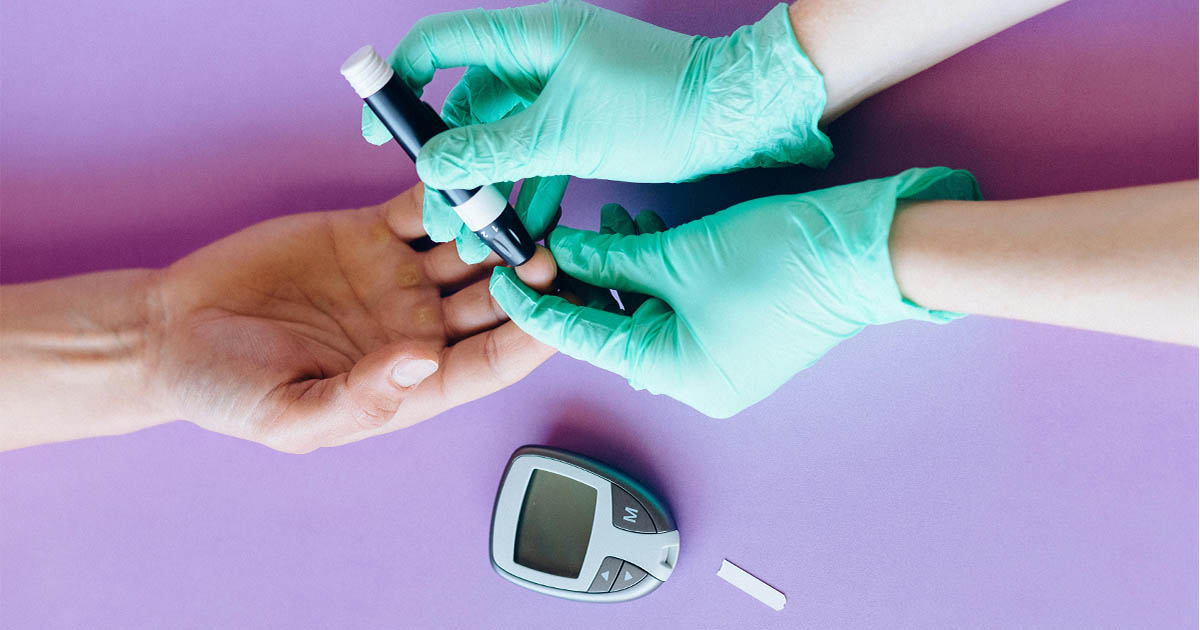
Understanding Blood Sugar Swings

What happens when blood sugar spikes
Most people don’t connect what they eat at lunch with how they feel three hours later. The afternoon fatigue, the sudden irritability, the urge to snack even after a full meal—it all feels random. Normal, even. But in many cases, it isn’t random at all.
Those symptoms are often the result of blood sugar swings—rapid rises and falls in glucose that quietly drain energy, dull focus, and disrupt the body’s natural balance. You don’t have to be diabetic or prediabetic to experience them. In fact, many otherwise healthy people deal with blood sugar instability every single day without realizing it.
Modern eating habits make this worse. Highly processed foods, liquid calories, oversized portions, and meals built almost entirely around fast carbohydrates can quickly raise blood sugar. The crash that follows can hit just as fast—or sneak up on you later as fatigue, cravings, or brain fog.
In this article, we’ll walk through seven very common meals that are especially likely to spike glucose and lead to energy crashes. More importantly, you’ll learn why they affect your body the way they do and how to reduce blood sugar swings without extreme diets, food fear, or rigid rules.
Understanding Blood Sugar Swings

Blood sugar refers to the glucose circulating in your bloodstream. Glucose is essential. It fuels your brain, muscles, and organs. The goal isn’t to eliminate blood sugar—it’s to keep it steady.
When levels remain relatively stable, energy feels consistent. Focus improves. Hunger comes gradually, not suddenly. Mood stays more even. This is what metabolic balance looks like.
Blood sugar swings happen when glucose rises too quickly after a meal and then drops too sharply. These fluctuations force the body into a constant state of correction, releasing insulin aggressively and then scrambling to recover when levels fall.
Over time, this roller coaster affects far more than energy. It influences weight regulation, hormone signaling, stress response, and even sleep quality.
What Happens Inside the Body During a Spike
After you eat carbohydrates, digestion breaks them down into glucose. The pancreas releases insulin, which helps move glucose from the blood into cells so it can be used for energy or stored.
When a meal causes glucose to rise very fast, the body responds with a large insulin release. The problem isn’t insulin itself—it’s the amount released at once. Too much insulin can drive blood sugar down too far, too fast.
That drop is where symptoms appear.
Why the Crash Feels Worse Than the Spike
Most people don’t feel a spike. They feel the aftermath.
As blood sugar falls, the brain senses danger. Glucose is its preferred fuel. When supply dips suddenly, the brain responds with stress signals—fatigue, irritability, shakiness, difficulty concentrating, and intense cravings.
This is why blood sugar swings often lead to snacking cycles, emotional eating, and reliance on caffeine or sugar just to get through the day.
Why Certain Meals Trigger Energy Crashes
Not all foods affect glucose the same way. Calories alone don’t tell the story. The composition of a meal—how much protein, fiber, fat, and refined carbohydrate it contains—matters far more.
Meals built mostly from refined carbohydrates digest quickly. They flood the bloodstream with glucose before the body has time to respond gradually.
Meals balanced with protein, fiber, and fat are digested more slowly, releasing glucose in a controlled way.
Fast Carbs vs Slow Fuel
Refined grains, sugars, and processed starches are stripped of fiber. Without that natural brake, digestion happens rapidly.
Whole foods—vegetables, legumes, intact grains, nuts, seeds, and proteins—slow digestion naturally. They reduce the severity of blood sugar swings by spreading glucose release over time.
The Overlooked Insulin Pattern
Repeated spikes force insulin to work harder. Over time, cells become less responsive to insulin’s signal. This is how insulin resistance begins.
As sensitivity drops, the body needs more insulin to manage the same meals, making blood sugar swings more pronounced and harder to control.
1 – Sugary Breakfast Cereals
Breakfast sets the tone for the day, and unfortunately, many breakfast cereals do more harm than good.
Despite health-focused packaging, most cereals are made from refined grains and added sugars. Even “whole grain” labels can be misleading.
Why Cereals Spike Blood Sugar So Fast
Cereal is often low in protein and fiber while high in fast-digesting carbohydrates. Milk adds additional sugar in the form of lactose. The result is a glucose surge within minutes of eating.
Energy may feel high briefly, but the crash often arrives mid-morning.
Better Breakfast Choices
Eggs, plain Greek yogurt, oatmeal with nuts, or chia pudding provide protein and fiber. These options reduce blood sugar swings and help energy last until lunchtime.
2 – White Bread and Refined Toasts
White bread behaves much like sugar in the body. Once digested, there’s very little difference.
How Refined Flour Affects Glucose
Refined flour lacks fiber, so it breaks down quickly into glucose. This triggers a strong insulin response followed by a drop in blood sugar.
Toast with jam, butter alone, or honey only amplifies the effect.
Smarter Bread Options
Whole-grain or sprouted bread paired with protein or healthy fats slows digestion and reduces blood sugar swings without eliminating bread entirely.
3 – Sweetened Coffee Drinks
Coffee itself is not the problem. What’s added to it often is.
Liquid Sugar Hits Fast
Flavored lattes, syrups, whipped cream, and sweetened creamers deliver sugar in liquid form. Liquid sugar enters the bloodstream extremely quickly.
Because it’s consumed early in the day, it can trigger blood sugar swings before noon.
Better Ways to Drink Coffee
Black coffee, coffee with plain milk, or unsweetened alternatives with cinnamon or cocoa powder provide energy without the crash.
4 – Packaged Snack Bars
Snack bars are marketed as convenient and healthy, but many are essentially dessert bars with better branding.
The “Healthy” Illusion
Many bars contain multiple forms of sugar, refined grains, and very little protein. They spike glucose quickly and leave you hungry again shortly after.
Smarter Snacks
Whole foods like nuts, seeds, yogurt, or fruit paired with protein reduce blood sugar swings between meals and improve satiety.
5 – White Rice-Based Meals
Rice is a dietary staple worldwide, but refined white rice digests very quickly.
Why Rice Causes Rapid Spikes
White rice lacks fiber and has a high glycemic impact. Large portions increase the chance of a post-meal crash.
How to Eat Rice Without the Crash
Reducing portion size and pairing rice with vegetables, protein, and fat slows digestion and minimizes blood sugar swings.
6 – Fried Fast Foods
Fast food meals combine refined carbs with unhealthy fats—a combination that stresses glucose regulation.
Delayed Crashes Explained
Fat slows digestion, but when combined with refined carbs, insulin remains elevated longer. The crash may come later, often accompanied by fatigue and mental fog.
Better Fast Food Choices
Grilled proteins, salads with healthy fats, and smaller portions can significantly reduce blood sugar swings when eating out.
7 – Fruit Juice and Smoothie Bowls
Fruit is nutritious, but processing removes its natural safeguards.
Fiber Makes the Difference
Juicing removes fiber, allowing sugar to hit the bloodstream quickly. Smoothie bowls often contain multiple fruits, which can raise sugar intake above expected levels.
Whole Fruit Is the Better Choice
Eating whole fruit preserves fiber, slows digestion, and helps avoid unnecessary blood sugar swings.
Signs Your Blood Sugar Is Crashing
Crashes don’t always feel dramatic. Many are subtle but persistent.
Common signs include:
- Sudden fatigue
- Difficulty focusing
- Irritability or anxiety
- Headaches
- Strong cravings for sugar or carbs
When these symptoms repeat daily, blood sugar swings are often involved.
How to Prevent Blood Sugar Swings Naturally
You don’t need extreme restriction. Small adjustments make a big difference.
Start Meals With Protein
Protein slows glucose absorption and stabilizes insulin response, significantly reducing blood sugar swings.
Use Fiber Strategically
Vegetables, legumes, seeds, and whole grains create a natural buffer that slows digestion.
Pair Carbs Intentionally
Carbohydrates are not the enemy. Pairing them with protein and fat keeps energy steady.
Lifestyle Factors That Make Things Worse
Food isn’t the only driver.
- Poor sleep reduces insulin sensitivity.
- Chronic stress raises cortisol.
- Sitting too much lowers glucose uptake.
Improving these areas can dramatically reduce blood sugar swings even without dietary perfection.
Why Blood Sugar Stability Matters Over Time
Occasional fluctuations are normal. Chronic instability is not.
Over time, repeated blood sugar swings increase the risk of fatigue, weight gain, hormonal imbalance, and metabolic disease. Stability supports better mood, clearer thinking, and long-term health.
Final Thoughts on Blood Sugar Swings and Daily Energy
Energy crashes aren’t a personal failure. They’re often a physiological response to the way modern meals are prepared.
Once you understand which foods trigger blood sugar swings, you gain control. Small, realistic changes—more protein, more fiber, better pairing—can transform how you feel without turning food into a source of stress.
Stable blood sugar isn’t about restriction. It’s about working with your body instead of against it.
Also read for more information : Carbohydrates and Blood Sugar
Read next on Lifenurt : 5 Ways to Beat Uncontrolled Blood Pressure for Good














Post Comment