Urgent FDA Warning 2025: Cholesterol Drug Recall Shocks Consumers
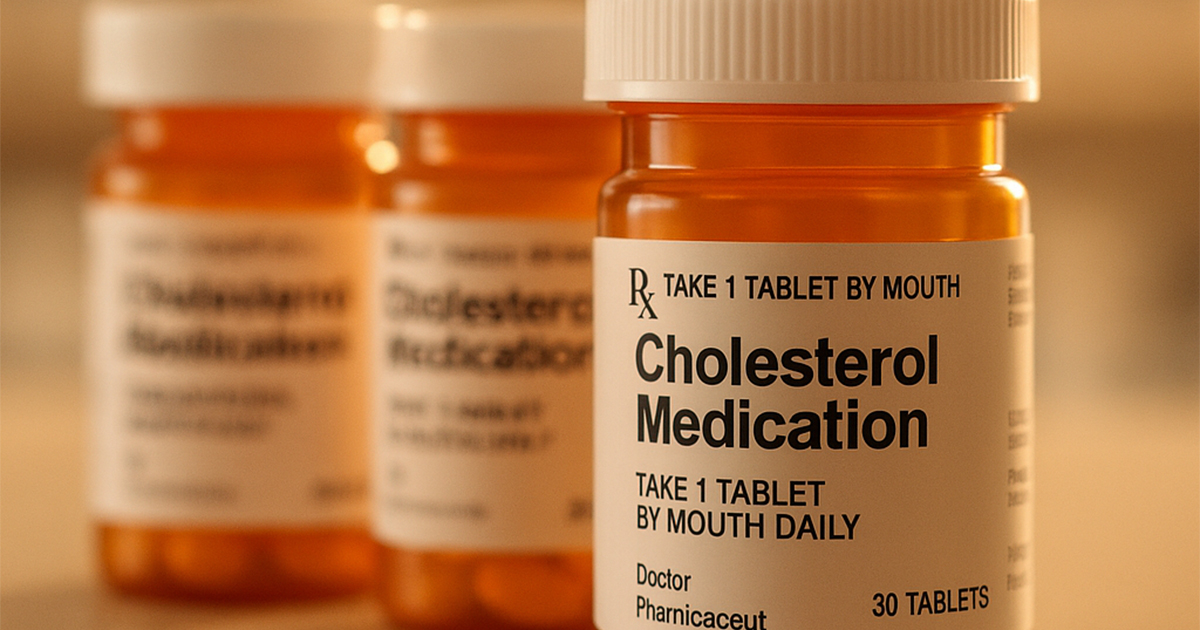
Why the Cholesterol Drug Recall Matters
A major cholesterol drug recall in 2025 has sparked an urgent FDA warning that’s alarming patients nationwide. The agency pulled more than 140 000 bottles of a widely used statin for safety testing.
In this recall, the FDA warns that some tablets may not dissolve properly, which can reduce effectiveness. The agency classifies it as a Class II recall—serious harm is unlikely, but the drug might not work as intended. This article explains what happened, why it matters, how to check your medication, and what steps to take.
In a development that has startled both healthcare professionals and patients alike, the Food & Drug Administration (FDA) issued a major recall in 2025 of more than 140,000 bottles of a widely used cholesterol medication.
Because the recall involves potential issues with how the medication dissolves in the body, its effectiveness could be reduced. The FDA classified the recall as a Class II action, meaning serious health problems are unlikely, but the product might not deliver its full benefit.
In this article, we explain what happened, explore why it matters, help you check whether you or someone you care about is affected, and guide you through the steps to stay safe.
What Happened and Why It Matters
The recalled product is Atorvastatin Calcium Tablets, a generic version of the popular statin Lipitor. Statins rank among the most-prescribed drugs for lowering LDL (“bad”) cholesterol and reducing the risk of heart attack or stroke. Alkem Laboratories in India manufactures the tablets, and Ascend Laboratories in the U.S. distributes them. Together, they have withdrawn about 141 984 bottles from pharmacies and wholesalers.
The trigger for the recall: the tablets failed dissolution specifications in laboratory tests, meaning they did not dissolve as required by regulatory specifications. When a drug doesn’t dissolve properly, it may not release its active ingredient fully or promptly, potentially reducing its effectiveness.
Specifically:
- The company recalled about 141,984 bottles in total.
- Dosages affected span 10 mg, 20 mg, 40 mg, and 80 mg tablets.
- Package sizes include 90-count, 500-count, and 1,000-count bottles.
- The FDA classified the recall as Class II on October 10, 2025.
This is a serious matter because individuals on statins rely on the medication’s consistent action over time. Lowering LDL cholesterol is not a one-time event—it’s a continuous process, and disruption, or compromised dosage effectiveness, can undermine the risk reduction for cardiovascular events.
Who Is at Risk and Who Should Be Paying Attention
If you—or someone you care for—is taking atorvastatin (the generic statin in question), especially one distributed by Ascend Laboratories or manufactured by Alkem Laboratories, this recall may affect you. It’s also relevant for healthcare providers, pharmacists, and caregivers.

High-risk groups include:
- Those most at risk include people using this statin as a long-term preventive therapy for heart disease, stroke, or other cardiovascular conditions.
- Individuals with borderline cholesterol levels depend on the medication’s full effectiveness to stay within safe limits.
- Many consumers, especially those receiving generic versions through mail-order or large pharmacy chains, may not even realize which manufacturer or lot produced their supply.
Even though this recall is Class II (so significant harm is considered unlikely), the primary concern is reduced effectiveness. That means the medication might not work as well as intended—so the best-case scenario is a slight reduction in cholesterol control; worst case, a small increase in risk of cardiovascular complications if left unchecked.
Step-by-Step: How to Check If Your Medication Is Recalled
Here’s what you should do, carefully and calmly, to check whether your specific medication is part of the recall:
- Locate the bottle of your medication. Look at the label and packaging for the following:
- Drug name: Atorvastatin Calcium Tablets (various strengths)
- Manufacturer/distributor: Ascend Laboratories, LLC (U.S.), and associated lot information.
- Dosage strength and count (10 mg, 20 mg, 40 mg, 80 mg; bottle sizes 90, 500, 1,000 tablets).
- Lot number and expiration date (the recall covers specific lot numbers and expiry dates from July 2026 to February 2027).
- Compare your lot and expiry information to the recall list. (The recall list is publicly available via FDA notices or the manufacturer’s recall announcement.) If your bottle’s lot number matches one of the recalled lots, continue to the next step.
- Do not stop your medication abruptly. Stopping a statin without medical advice may raise your cardiovascular risk. Instead, contact your pharmacist or prescribing physician to:
- Confirm your lot/bottle is affected.
- Arrange a safe replacement or alternate brand.
- Ensure continuous treatment with no interruptions.
- If affected, follow recall instructions:
- Return or dispose of the recalled bottle according to the manufacturer/retailer’s instructions.
- Get a replacement medication from your pharmacy or doctor.
- Consider requesting a follow-up lipid panel (cholesterol levels) to confirm that your LDL remains under control after the switch.
- If your bottle is not affected, you can continue treatment as prescribed—but it’s wise to note: ask your pharmacy about the manufacturer and lot of your supply, keep an eye on your next lipid test, and stay alert for any additional updates to the recall list (since manufacturing/lot issues sometimes expand).
What Healthcare Providers and Pharmacists Should Do

For clinicians and pharmacy professionals, this recall creates several operational and patient-care tasks:
- Inventory check: Review pharmacy stock for any lots/manufacturers involved (Ascend/Alkem). Quarantine or remove affected bottles from dispensing until verified.
- Patient communication: Proactively notify patients on atorvastatin that a recall has been issued. Please encourage them to check their bottles.
- Continuity of care: Ensure affected patients are promptly switched to unaffected lots or brands. Document the change and update patient records.
- Monitoring & follow-up: For patients switched off the recalled supply, consider scheduling earlier lipid panel tests to ensure LDL targets continue to be met.
- Pharmacovigilance: Report any suspected medication ineffectiveness or unexpected outcomes to your institution’s risk team or directly to the FDA MedWatch.
- Supply-chain review: Use this recall as an opportunity to evaluate your sourcing of generic drugs, manufacturer reliability, and recall-readiness protocols.
Why the Recall Highlights Larger Issues in Drug Manufacturing & Regulation
While this single recall is specific to one manufacturer and one drug class (statins), it raises broader questions about generic drug manufacturing, quality control, and regulatory oversight:
- Generic production complexity: Generic manufacturers often outsource or globalize manufacturing (e.g., Alkem Laboratories in India). Quality control may vary, and oversight becomes more challenging.
- Dissolution testing matters: The fact that the tablets failed dissolution specifications means that, even if the active ingredient was present, their behavior in the body might have been compromised. For long-term preventive medicines like statins, even a slight drop in effectiveness can matter.
- Trust in generics: Generics form the backbone of modern pharmacotherapy due to lower cost and wide accessibility—but quality must match. A high-profile recall shakes the confidence of some patients and prescribers.
- Sale & distribution transparency: Patients may not always know which manufacturer their prescription comes from, especially in large pharmacy chains or mail-order settings. This complicates recall-alerting and patient communication.
- Regulatory classification & severity: Class II recalls indicate moderate risk—but for patients on long-term therapies, the “moderate” decrease in effectiveness is still significant. Regulators and manufacturers must act swiftly when sub-specification batches are found.
- Proactive risk management: Recalling, communicating, tracking replacements, and monitoring outcomes become part of the standard of care in the pharmaceutical ecosystem. This recall serves as a reminder for all stakeholders to review protocols.
Frequently Asked Questions (FAQs) About the Recall
Q: Does this recall mean that atorvastatin is unsafe?
A: No. The recall is classified as Class II, meaning serious harm is unlikely. The problem is not confirmed toxicity but rather a potential reduction in effectiveness due to the tablets failing to dissolve properly.
Q: Should I stop taking my cholesterol medication immediately if it’s recalled?
A: Absolutely not without medical guidance. Stopping statin therapy without replacement can increase your cardiovascular risk. Contact your doctor or pharmacist and transition to a safe supply.
Q: What if my prescription is from a different manufacturer?
A: If the bottle is not from the recalled manufacturer (Ascend/Alkem) or lot list, then your supply is likely unaffected. However, you should still verify the lot number and manufacturer.
Q: How will I know if there’s an expansion of the recall?
A: The FDA’s website posts recall notices and updates. You can also ask your pharmacy about any recent notices involving atorvastatin or statins in general. Stay alert for notifications.
Q: Does this mean generics are riskier than brand-name drugs?
A: Not necessarily—generics must meet the same regulatory standards as brand-name drugs. However, this incident highlights that any drug—generic or brand—can face manufacturing quality issues, underscoring the importance of vigilance.
How Patients Can Protect Themselves Now
Here are practical steps you can take if you or a loved one is on statin therapy:
- Check your bottle now. Don’t wait. Locate the lot number, manufacturer, dose, and expiry.
- If it matches a recalled lot, contact your pharmacist or prescriber immediately and get a replacement from a verified supply.
- Keep taking your medication until you have the replacement. Avoid gaps in therapy.
- Ask your doctor whether your lipid levels should be re-checked earlier than planned—in case the previous supply was compromised.
- Maintain heart-healthy habits—diet, exercise, minimizing smoking, moderating alcohol—even more so now, because you want to maximize the effect of your statin.
- Stay informed. Keep an eye on official FDA recall listings and pharmacy bulletins in case this recall expands.
- Ask questions. When you refill medications in the future, ask: “Which manufacturer is my supply from? What’s the lot number?” That kind of awareness pays off.
The Underlying Science: Why Statins Matter and What This Recall Means for Efficacy
Statins—including atorvastatin—are prescribed because they lower LDL cholesterol, reduce plaque formation in arteries, and lower the risk of cardiovascular events such as heart attack and stroke. They have become foundational in preventive cardiology.
When a statin fails to dissolve properly, it may result in less active drug being absorbed. So, over time, your LDL reduction may not be as much as intended. That doesn’t instantly mean a heart attack, but it means the “protective buffer” you’ve built with daily medication may be eroded. If your LDL creeps up, if your plaque progression speeds, or if you have other risk factors (diabetes, hypertension, smoking), you may face a higher relative risk than expected.
That’s why pharmaceutical quality control—making sure that every tablet works as intended-is not just a manufacturing issue but a patient-care issue. Why … even though generic statins generally perform well, this recall makes visible the idea that “taking the pill” is only part of the equation; the pill’s quality counts too.
What’s Next: Anticipated Steps and What to Watch
- Expanded recall lists: Additional lot numbers or dosages may be added if testing continues or further issues are found.
- Regulatory reviews: The FDA may inspect manufacturing facilities, review dissolution testing protocols, and impose stricter oversight on the manufacturer.
- Pharmacy supply shifts: Some pharmacies may stop stocking the affected manufacturer’s batch, temporarily affecting the availability of certain generic supplies or their costs.
- Monitoring of patient outcomes: In the months ahead, physicians may be watching whether patients on recalled supply show worse cholesterol outcomes than those on unaffected supply.
- Patient education efforts: Expect communications from health systems and pharmacies urging patients to check their bottles and verify supplies.
- Long-term trust impact: This recall may prompt patients to ask more questions about manufacturers, lot numbers, and quality assurance-not just “take what’s given.”
A Final Word of Caution and Empowerment
The phrase “urgent FDA warning” is not used lightly-and this recall merits attention. Yet it should not create panic. If you are taking atorvastatin and your bottle is not on the recall list, you are likely unaffected and should continue as prescribed.
For those whose medication is affected, the path forward is clear: verify, replace, monitor-and don’t skip your therapy. This recall highlights that medication safety is a shared responsibility: manufacturers, regulators, pharmacies, physicians, and patients all play a part.
Be proactive. Ask the questions, check your bottle, stay consistent with your regimen.
Because when it comes to long-term health-especially heart health-every dose counts, and every tablet matters.
For more information: FDA Announces Nationwide Recall of Cholesterol Medication—More Than 140,000 Bottles Affected
Silent Heart Attacks & Type 2 Diabetes: What You Need to Know













Post Comment