Weight Management Made Easy: Nutrition, Exercise & Habits
Healthy Lifestyle Hacks: Proven Ways to Control Weight
Discover proven weight management strategies with balanced nutrition, regular exercise, and healthy habits to achieve a sustainable, healthy lifestyle.
Introduction: Beyond Diets and Quick Fixes
Everywhere we look—on social media, in magazines, or on television—there’s another so-called “miracle diet.” Celebrities often endorse plans or routines that promise overnight results. However, if managing weight were really that easy, we wouldn’t see rising cases of obesity, diabetes, and lifestyle-related health conditions across the world.
The truth is that weight management goes beyond fitting into a smaller size or shedding a few pounds before a holiday. Instead, it’s about creating a lifestyle that supports both physical health and mental well-being.
Moreover, successful weight management isn’t just about counting calories or eliminating entire food groups. It’s about understanding how nutrition fuels your body, how exercise strengthens it, and how everyday habits—such as sleep, stress control, and mindful eating—affect long-term outcomes.
In this article, we’ll explore practical and sustainable strategies that don’t rely on extreme measures or deprivation. Whether you want to lose weight, maintain it, or feel more energized, these hacks will help you build a healthy lifestyle that lasts.
1. The Foundations of Weight Management
Before diving into diets or workouts, it’s essential to understand the science behind maintaining a healthy weight.
At its core, weight management depends on two simple factors:
- Calories In (nutrition): the energy you get from food and drinks.
- Calories Out (metabolism + activity): the energy your body burns through daily functions, digestion, and physical activity.
On paper, this balance seems easy. Yet, in reality, our bodies are far more complex. Hormones, sleep quality, stress, and even genetics influence how efficiently we burn energy and store fat. As a result, two people can follow the same routine but see completely different results.
Why Fad Diets Don’t Work Long-Term
Many crash diets promise fast weight loss. Initially, they may yield results. However, the effects rarely last. That’s because:
- Metabolism slows down when calories are cut too severely.
- Nutrient deficiencies can lead to fatigue, cravings, and poor overall health.
- Rebound weight gain occurs since strict Restriction often triggers overeating later.
Therefore, the more innovative solution is to develop habits that support a sustainable calorie balance. Instead of depriving yourself, focus on nourishing your body with foods and routines you can maintain for life.
2. Nutrition: The Cornerstone of Healthy Weight
Nutrition is one of the most powerful tools for managing weight. Food is not only fuel—it directly affects hormones, hunger, mood, and overall health.
a) Eat for Balance, Not Restriction
Rather than obsessing over what to cut out, focus on what to add in:
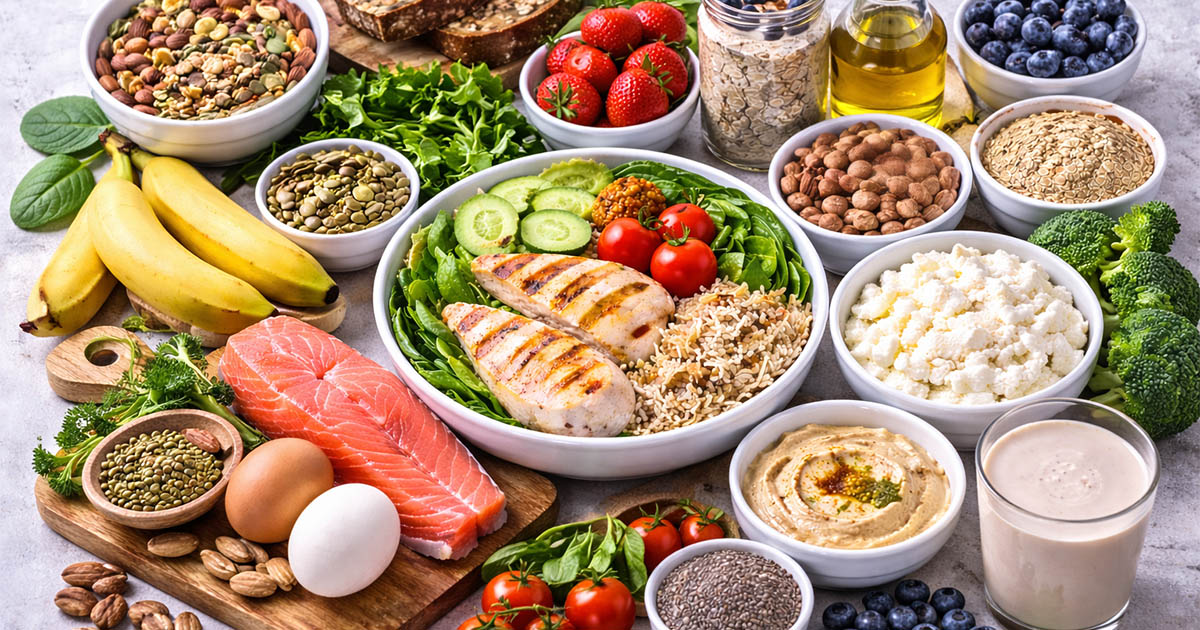
- Lean proteins such as chicken, fish, tofu, or beans help you stay full and support muscle growth.
- Whole grains, such as oats, quinoa, and brown rice, provide steady, long-lasting energy.
- Fruits and vegetables supply vitamins, minerals, and fiber.
- Healthy fats from nuts, seeds, and olive oil help regulate hormones and make meals more satisfying.
b) Portion Control Without Stress
Counting every calorie can feel exhausting. Instead, use the “balanced plate” approach:
- Half your plate: vegetables and fruits
- One quarter: lean protein
- One quarter: whole grains or starchy vegetables
This method helps control portions naturally without constant tracking.
c) Hydration Matters
We often mistake thirst for hunger. Drinking enough water—about 2–3 liters per day, depending on activity—can reduce cravings, improve digestion, and even slightly boost metabolism.
d) Smart Food Swaps
Healthy eating doesn’t mean giving up your favorite foods. Instead, make small swaps:
- Replace soda with sparkling water and lemon.
- Use Greek yogurt instead of sour cream.
- Choose air-popped popcorn instead of chips.
e) The Power of Fiber
Fiber slows down digestion, balances blood sugar levels, and keeps you feeling full for an extended period. Foods like oats, lentils, chia seeds, and leafy greens should be part of your daily routine.
Sample Day of Eating:
- Breakfast: Oatmeal with berries, chia seeds, and almond butter
- Lunch: Grilled salmon with quinoa and steamed vegetables
- Snack: Apple slices with peanut butter
- Dinner: Chicken stir-fry with brown rice and broccoli
3. Exercise: Moving for Health, Not Just Weight Loss
Exercise is often viewed solely as a means to “burn calories.” However, its benefits extend far beyond the scale. Regular physical activity improves heart health, boosts mood, strengthens bones, and helps preserve muscle mass.
a) Different Types of Exercise
- Cardio (aerobic training):
- Activities like walking, jogging, cycling, or swimming
- Burns calories and improves endurance
- Strength training:
- Lifting weights, resistance bands, or bodyweight workouts
- Builds muscle, which raises metabolism
- Flexibility and mobility:
- Yoga, stretching, or Pilates
- Prevents injury and aids recovery
b) The Consistency Principle
Extreme workouts aren’t necessary. Instead, aim for 150 minutes of moderate activity per week—that’s about 30 minutes, five times weekly. Most importantly, choose activities you actually enjoy.
c) Movement Beyond the Gym
You don’t have to spend hours in a fitness center. Small daily choices add up:
- Take the stairs instead of the elevators.
- Walk or cycle short distances.
- Stand and stretch during long work sessions.
Think of exercise as a celebration of your body’s abilities, not punishment for what you ate.
4. Habits: The Secret Ingredient to Long-Term Success
Nutrition and exercise matter, but everyday habits truly determine long-term results.
a) Sleep: The Unsung Hero
Poor sleep raises ghrelin (the hunger hormone) and lowers leptin (the fullness hormone). As a result, you feel hungrier and crave high-calorie foods. Aim for 7–9 hours of quality sleep each night.
b) Managing Stress
Chronic stress raises cortisol levels, which in turn increase cravings and promote belly fat. To manage stress, try:
- Meditation or deep breathing
- Journaling your thoughts
- Spending time in nature
- Enjoying hobbies you love
c) Mindful Eating
Eating slowly and savoring your meals helps you recognize hunger and fullness cues more effectively. This reduces mindless snacking and overeating.
d) Routine and Accountability
Successful weight management often comes from structure:
- Prepare meals ahead of time
- Stick to regular workout sessions
- Use tracking apps or journals
- Rely on support groups or accountability partners
5. Common Weight Management Myths Debunked
- “Carbs make you fat.”
- False. Excess calories—not carbs alone—cause weight gain. Whole grains and fiber-rich carbs provide essential energy.
- “Skipping meals helps with weight loss.”
- Skipping often leads to overeating later. Balanced meals help maintain energy and stable blood sugar levels.
- “You must starve to lose weight.”
- Extreme Restriction slows metabolism and backfires in the long run.
- “Exercise alone controls weight.”
- Exercise is essential, but nutrition and habits play a much larger role.
6. Practical Strategies for Everyday Life
Weight management should fit into real life—not feel like an extra burden.
Grocery Shopping Tips
- Shop the outer aisles for fresh produce and lean proteins.
- Read labels to avoid hidden sugars and unhealthy fats.
- Make a list and avoid shopping when hungry.
Meal Prep Made Easy
- Cook grains and proteins in bulk.
- Store meals in portioned containers.
- Keep quick, healthy snacks (such as nuts, fruit, and yogurt) within reach.
Eating Out Without Guilt
- Choose grilled over fried dishes.
- Ask for sauces or dressings on the side.
- Share large portions or take leftovers home.
Handling Social Events
- Eat a light snack before parties.
- Focus on the conversations, not just the food.
- Allow yourself treats occasionally—guilt only leads to overeating.
7. Sustainable Weight Management for Different Lifestyles

a) Busy Professionals
- Do short, efficient workouts, such as 20–30 minute HIIT sessions.
- Keep healthy snacks at your desk.
- Treat meals like necessary appointments—don’t skip them.
b) Students
- Choose budget-friendly whole foods, such as oats, beans, and frozen vegetables.
- Walk or bike around campus.
- Avoid frequent late-night snacking.
c) Parents
- Cook meals that the entire family enjoys.
- Stay active with kids—through bike rides, walks, or outdoor play.
- Use weekends for batch cooking to save time and effort.
d) Older Adults
- Focus on strength training to prevent muscle loss.
- Include low-impact cardio like walking or swimming.
- Support bone health with calcium and vitamin D.
Also read : Science-Backed Tips to Lose Weight Fast and Sustainably
Conclusion: A Lifestyle, Not a Diet
Weight management isn’t about chasing quick fixes or punishing yourself with strict rules. Instead, it’s about building a lifestyle where nutrition, exercise, and habits work together seamlessly.
Perfection isn’t necessary—consistency is what matters most. Small daily choices, such as taking the stairs, preparing a balanced meal, or going to bed earlier, lead to lasting results over time.
Ultimately, the goal isn’t only to manage weight—it’s to live a healthy, energized, and fulfilling life. By focusing on balance rather than extremes, you’ll find that weight management becomes both possible and enjoyable.
Breathe Better, Live Better: The Powerful Breathwork Breakthrough













Post Comment