Health Over Hype: Greg Gutfeld’s Old Vaccine Take Speaks Volumes Now

When Media Voices Challenge Anti-Science: Gutfeld’s Take on Vaccines and Health
Greg Gutfeld’s resurfaced vaccine comments reveal the dangers of misinformation and highlight why health must come before hype.

Introduction: When Headlines Collide With Health
In the never-ending churn of political commentary and cable news, moments of clarity about public health sometimes rise above the noise. One such moment is now resurfacing from nearly a decade ago. A clip of Fox News host Greg Gutfeld has gone viral again — not for his usual humor or sharp takes on politics, but for a pointed critique he once aimed at Donald Trump’s vaccine comments.
In the 2015 clip, Gutfeld blasted Trump’s suggestion that vaccines might cause autism. He described it as “a hysterical anti-science point of view” and even called it “deadly and dangerous.” Strong words for a panel that often leaned toward skepticism of mainstream narratives. But his words then echo loudly today — especially as Gutfeld’s more recent commentary appears softer toward vaccine skeptic Robert F. Kennedy Jr.
This resurfacing has sparked debate not just about politics, but about the deeper issue: how misinformation, public trust, and science shape the health and wellness of millions. To understand why this clip matters, we need to revisit the history of vaccine myths, explore the role of media in shaping wellness conversations, and reflect on the tension between politics and science.
The Vaccine Controversy: A Quick History Lesson
Vaccines have been hailed as one of the most outstanding public health achievements in history. Smallpox was eradicated because of vaccines. Polio, once a terrifying childhood disease, is now virtually nonexistent in most parts of the world. The measles vaccine alone is estimated to save more than a million lives every year.
And yet, despite this undeniable record, vaccine skepticism has persisted for decades. The modern wave of vaccine mistrust can be traced to a now-discredited 1998 study that falsely linked the MMR vaccine to autism. Though the paper was later retracted, and its author stripped of his medical license, the damage was done. Myths spread faster than corrections, and parents began to question long-established medical science.
By the mid-2010s, outbreaks of measles and whooping cough in the United States were being traced to communities with lower vaccination rates. Public health experts warned that misinformation wasn’t just fringe — it was actively undermining herd immunity.
This was the backdrop when Donald Trump, then a presidential candidate, suggested on national television that vaccines might be linked to autism. For health experts, it was déjà vu — the dangerous resurrection of a myth that had already been thoroughly debunked.
Gutfeld’s Surprising Stand in 2015
During a segment of The Five in September 2015, Greg Gutfeld went off-script in a way few expected. As other panelists discussed Trump’s remarks, Gutfeld cut through the chatter:
Gutfeld didn’t hold back. He labeled the claims “hysterical anti-science” and warned they were “deadly and dangerous.” Those advancing the theory, he dismissed as “bozos,” adding that real outbreaks, including the Disneyland measles incident ,were the direct result of anti-vaccine attitudes.
In short, Gutfeld wasn’t mincing words. For a Fox News host, particularly one known for biting sarcasm, this was an unusually earnest approach. He wasn’t just defending science; he was defending the idea that public health should never be held hostage to political soundbites.
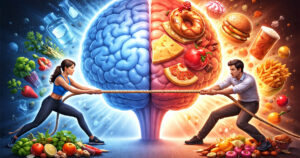
Why does this matter now? Because it highlights the tension between health over hype — the idea that wellness and science must come before partisan applause lines.
Vaccines, Autism, and the Persistence of Myths
To fully grasp the weight of Gutfeld’s comments, let’s revisit the autism myth itself. Autism spectrum disorder (ASD) is a complex neurodevelopmental condition with genetic and environmental factors. Decades of rigorous studies — involving hundreds of thousands of children — have found no link between vaccines and autism.
Yet, the myth lingers. Why? Because fear spreads more easily than facts. When parents are worried about their child’s future, even a discredited theory can feel compelling if it offers a simple explanation. Add in the megaphone of social media, and misinformation gains a foothold that science alone struggles to counter.
This is where media voices like Gutfeld’s come in. Whether we agree with his politics or not, his 2015 remarks show how powerful it is when a public figure calls out myths directly. His words, “deadly and dangerous,” were not just rhetoric — they were a wellness warning.
Fast-Forward: Gutfeld and RFK Jr.
Fast-forward to today, and critics note that Gutfeld’s stance appears to have shifted. In his recent commentary, he has expressed admiration for Robert F. Kennedy Jr., a long-time critic of vaccine policies. While Gutfeld hasn’t gone fully anti-vaccine, his more sympathetic tone toward RFK Jr. has raised eyebrows.
This contrast between “old Gutfeld” and “new Gutfeld” is what makes the resurfaced clip so striking. It reminds us that consistency in public health messaging matters. A commentator’s words carry weight, and shifting tones can confuse audiences trying to make decisions about their families’ wellness.
Media, Trust, and the Wellness Ripple Effect
Why does it matter what a cable news host said ten years ago? The media plays an outsized role in shaping how people think about health.
- Trust and Authority: Many people don’t read medical journals. They hear about vaccines from TV, social media, or their favorite pundits.
- Ripple Effects: A single comment — especially if it validates fears — can sway vaccination decisions in entire communities.
- Wellness Consequences: Lower vaccination rates mean more outbreaks. More outbreaks mean preventable illnesses, hospitalizations, and even deaths.
In this sense, the wellness stakes are real. When Gutfeld called vaccine myths “bozo” behavior, he wasn’t just throwing insults. He was defending the principle that public health must be rooted in science, not hype.
Health Over Hype: The Core Lesson
The phrase “health over hype” captures the core lesson of this resurfaced clip. Whether it’s vaccines, nutrition, fitness, or mental health, wellness decisions should be guided by evidence — not by politics, social media trends, or catchy soundbites.
- Hype thrives on fear, exaggeration, and tribal loyalty.
- Health thrives on science, prevention, and personal responsibility.
This isn’t about left or right. It’s about protecting communities, children, and families from preventable harm.
Vaccine Wellness Beyond COVID-19
The COVID-19 pandemic brought vaccines into the spotlight like never before. For many, it was their first experience with real-time scientific development, complete with uncertainty, mistakes, and changing guidelines. While the vaccines saved millions of lives, the communication missteps fueled fresh skepticism.
But vaccines aren’t just about COVID. Childhood immunizations against measles, polio, and whooping cough remain essential pillars of public health. Adults need boosters for tetanus, shingles, and influenza. Travelers often require additional vaccines.
Wellness isn’t just avoiding disease — it’s about building resilience. And vaccines are one of the simplest, safest, and most effective tools we have for that resilience.
The Human Side: Families, Fear, and Facts
Behind the headlines, this debate affects real families. Parents deciding whether to vaccinate their children often feel caught between competing voices. On one side: decades of science, pediatricians, and public health experts. On the other hand, viral videos, celebrity opinions, and political soundbites.
This is where the resurfaced Gutfeld clip speaks volumes. It shows how even a political commentator — someone not known for championing science — once recognized that anti-vaccine rhetoric puts children at risk.
For parents trying to balance fear and facts, hearing a trusted figure call out “anti-science” claims as “dangerous” can be a turning point. It’s a reminder that wellness isn’t about taking sides; it’s about protecting kids.
Moving Forward: Lessons for Wellness Media
So, what can we learn from this moment? A few takeaways stand out:
- Consistency Matters: Public figures must be mindful that their words have a real-world impact on health decisions. Shifting from pro-science to soft skepticism confuses audiences.
- Science Needs Storytellers: Data alone doesn’t move hearts. We need communicators — even unlikely ones like Gutfeld — to translate facts into urgent, relatable stories.
- Wellness Requires Vigilance: Myths never entirely disappear. They resurface, rebrand, and spread anew. Combating them requires constant reminders of the truth.
- Personal Responsibility: While the media shapes perception, individuals must also seek reliable information and put wellness above hype.
Also read : Greg Gutfeld says he doesn’t understand how vaccines work as “a community preventative thing”
Conclusion: Why This Clip Speaks Volumes Now
Greg Gutfeld’s 2015 remarks weren’t just a throwaway comment in a crowded panel show. They were a clear, unfiltered defense of science at a time when vaccine myths were gaining traction. By calling out anti-vaccine rhetoric as “deadly and dangerous,” he reminded audiences that wellness depends on facts, not fears.
Today, as new vaccine debates flare and old myths resurface, that lesson feels more urgent than ever. The health of our families, our communities, and even our future depends on choosing health over hype.
Whether Gutfeld still stands by those words is less important than the truth they contain: science saves lives, myths put them at risk, and wellness is worth protecting above all else.
Hope or Hype? The Truth About Russia’s Cancer Vaccine Breakthrough













Post Comment