Health Tips
Amaranth benefits, Ancient Bolivian nutrition, Andean superfoods, Bolivia superfoods, Bolivian herbal teas, Bolivian superfoods, Cañahua nutrition, Chia seeds Bolivia, Healthy Bolivian diet, Maca root Bolivia, Natural health foods Bolivia, Superfoods for wellness, Traditional Bolivian foods, Yacón health benefits
JyotiSE
0 Comments
Bolivia’s Hidden Superfoods: The Powerful Health Boosters Beyond Quinoa
Bolivian Superfoods You Need to Know: From Quinoa Bowls to Maca Smoothies for Everyday Wellness

Introduction: Beyond the Superfood You Already Know
When people think of Bolivian health foods, one name dominates the spotlight—quinoa. For years, this ancient Andean grain has been hailed as a global superfood. But here’s the truth: Bolivia’s nutritional treasures don’t stop at quinoa. Hidden in the Andes mountains and Amazon basin are roots, seeds, herbs, and grains that have been fueling communities for centuries—and they’re finally stepping into the global wellness spotlight.
In this post, we’ll uncover Bolivia’s lesser-known but potent superfoods, explore their health benefits, and share practical ways you can add them to your diet.
Amaranth: The Forgotten Grain of Strength
Long before quinoa became the darling of nutritionists, amaranth was revered by Andean civilizations. Known locally as kiwicha, this grain is packed with:
- High-quality protein (contains lysine, an amino acid missing from most grains)
- Calcium, magnesium, and iron for bone and muscle health
- Rich fiber to support digestion and satiety
Health Benefits:
- Strengthens bones and teeth
- Boosts immunity
- Supports muscle repair and energy
How to Use It:
- As a porridge for breakfast
- Toasted and added to granola
- Ground into flour for breads and cookies
Fun fact: Amaranth was once banned by Spanish colonizers due to its cultural significance, but it’s making a strong comeback as a powerhouse food.
Cañahua: Quinoa’s Nutrient-Dense Cousin
Meet cañahua (kaniwa), quinoa’s lesser-known cousin. This tiny grain thrives in Bolivia’s harsh altitudes and is naturally gluten-free.
Nutritional Highlights:
- Higher protein content than quinoa
- Rich in iron, calcium, and antioxidants
- Low glycemic index (perfect for blood sugar control)
Health Benefits:
- Helps prevent anemia
- Supports heart and bone health
- Provides sustained energy
How to Use It:
- As a flour for pancakes, bread, or tortillas
- Mixed into smoothies for extra protein
- Traditional Bolivian hot drink api de cañahua
While quinoa went global, cañahua remained a local staple—making it one of Bolivia’s true hidden treasures.
Chia Seeds: Tiny Seeds with Big Benefits
Although chia is often associated with Mexico, Bolivia is one of the world’s top producers of chia. These small black seeds pack a powerful nutritional punch.
Nutritional Highlights:
- Loaded with omega-3 fatty acids
- Fiber-rich (supports digestion and gut health)
- High in protein and antioxidants
Health Benefits:
- Improves heart health
- Aids weight management
- Enhances hydration (absorbs up to 10x its weight in water)
How to Use It:
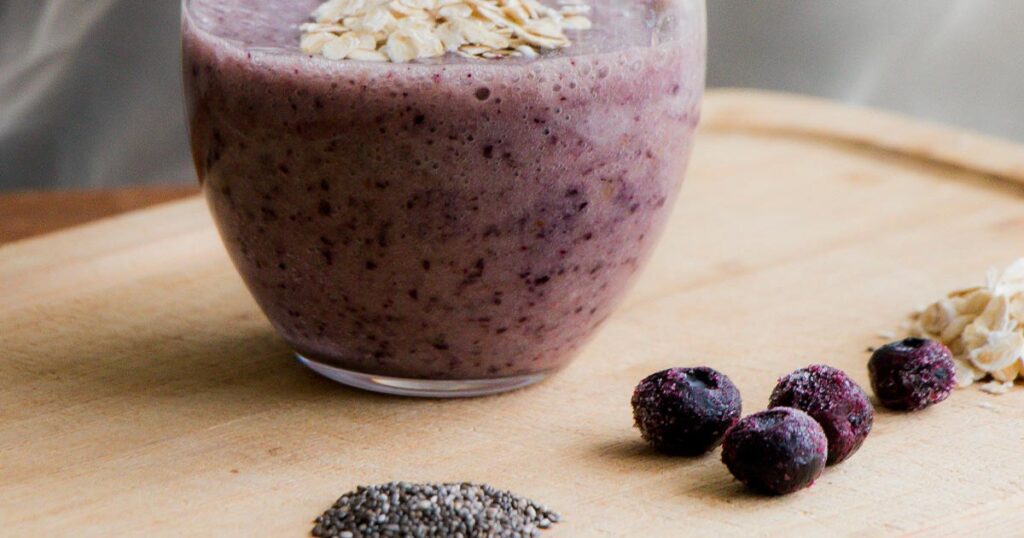
- Chia pudding for breakfast or snacks
- Sprinkled on salads, smoothies, or yogurt
- Added to baking for extra crunch
In Bolivia, chia has been cultivated for centuries as a source of energy and endurance.
Maca Root: The Natural Energy Booster
Known as the “Andean ginseng”, maca root is grown high in Bolivia’s mountains. Traditionally used for stamina and fertility, maca is now a global wellness star.
Nutritional Highlights:
- Contains amino acids, vitamins B, C, and E
- Rich in iron, iodine, and zinc
- Adaptogenic properties (help the body adapt to stress)
Health Benefits:
- Increases energy and endurance
- Supports hormonal balance
- Boosts libido and fertility
How to Use It:
- Maca powder in smoothies or coffee
- Added to oatmeal or pancakes
- As a supplement capsule
Unlike caffeine, maca gives a natural, sustained energy boost without the jitters.
Yacón: The Sweet Root for Gut Health
Often called the “Bolivian apple root”, yacón is a tuber that tastes like a cross between an apple and a pear. But its sweetness comes from inulin, a prebiotic fiber.
Nutritional Highlights:
- Low in calories
- High in prebiotic fiber
- Rich in antioxidants
Health Benefits:
- Supports gut microbiome
- Helps regulate blood sugar
- A natural sweetener alternative for diabetics
How to Use It:
- Raw, eaten like a fruit
- As yacón syrup (low-calorie sweetener)
- Added to smoothies or salads
Yacón is gaining popularity in wellness markets as a natural alternative to sugar.
Muña & Herbal Infusions: Bolivia’s Healing Teas
Bolivia’s wellness culture isn’t only about grains and roots—it’s also about herbal infusions.
- Muña Tea: Used for digestion, respiratory health, and relief from altitude sickness.
- Coca Tea: Aids in energy, reduces fatigue, and helps with high-altitude adaptation.
- Hierba Luisa (Lemon Verbena): Calms the mind, reduces stress, and improves sleep.
These teas are deeply rooted in Bolivian tradition and are still enjoyed daily for both health and relaxation.
Quick Reference Table: Bolivia’s Hidden Superfoods
SuperfoodKey Nutrient(s)Health Benefit How to Use It
Amaranth Protein, calcium, Bone strength, muscle repair, Porridge, flour, snacks
Cañahua Iron, antioxidants, Energy, heart health, Flour, drinks, smoothies
Chia Seeds Omega-3, fiber Heart, gut, hydration Pudding, baking, toppings
Maca Root Iron, zinc, adaptogens, Energy, hormones, fertility Powder in drinks/foods
Yacón Prebiotic fiber Gut health, blood sugar Raw, syrup, smoothies
Muña Tea Essential oils Digestion, respiratory aid, Herbal tea infusion
The Global Rise of Bolivia’s Superfoods
Bolivian superfoods are no longer secrets—they’re showing up in health stores, nutrition plans, and wellness retreats worldwide. However, as demand increases, so does the need for sustainable farming and fair trade practices to protect indigenous farmers and their ecosystems.
By choosing Bolivian superfoods, you’re not only improving your health—you’re also supporting centuries-old traditions and local communities.
Conclusion: Time to Go Beyond Quinoa
Quinoa may have paved the way, but Bolivia’s hidden superfoods—from amaranth to yacón—offer a complete spectrum of nutrition, wellness, and cultural richness. These foods have endured for centuries in the harshest climates and can help modern diets thrive with energy, balance, and vitality.
https://lifenurt.com/wp-admin/post.php?post=2791&action=edit














Post Comment